The First Sitting
The table takes the question in turn
People love to lie to themselves when their own skin is in the game. You say you want to protect the firm. But look at the incentives. Hiding a bad fact makes you feel safe today. It kicks the bill down the road. Most men call that loyalty. Really, it is just plain fear. Bad news does not smell better with age. It festers and rots. Yet, blowing the place up right now might crush innocent clerks who did no wrong. Are you acting to save a clean conscience, or do you truly know what compounds when the truth waits?Interpretation
Frederick Douglass
Social reformer
A house built on a lie is already broken. When you hide a wrong to save a name, you tie your own hands to the whip. You become the guard at the gate of a false peace. You think you carry the weight alone, but the silence falls hardest on the people at the bottom. They pay for your quiet shield. Still, pulling down the roof brings stone and timber down on everyone inside. Do you protect the people, or do you only protect the walls that keep them trapped?Interpretation
When an office cares more for its own life than for what is real, it slips away from the shared world. It builds a neat story to stay alive. People stop asking what happened. They only ask how to keep the machine running. That is how normal people help build great harms without ever feeling wicked. You think you are keeping order. But an organization that lives by hiding facts trades away the real world for a shell. When the truth is treated like a weapon, who decides what is still real?Interpretation
A leader has to hold the vessel together through the storm. If you steer straight onto the rocks just to prove you are clean, everyone drowns with you. That is a heavy burden to lay on others. Yet you cannot buy peace by feeding a wrong that eats the core from within. A house divided against the facts cannot stand forever. You may patch the leak today, but the split grows under your feet. If saving the hull means poisoning the crew, what kind of voyage have you really chosen?Interpretation
What is this thing you call an organization? Is it made of stone and paper, or is it made of men? You worry that the truth will harm it. But can truth harm what is good, or does it only reveal what is already sick? You call silence a duty to the whole. But if silence harms your own soul, how can it make the city well? If an enterprise can only live by feeding on falsehood, what good thing is actually being preserved by keeping it alive?Interpretation
Silencing a hard fact robs the public of the only tool it has to fix an error. When you hide the facts, you claim you can foresee all outcomes better than the world can. That is a dangerous belief. But you must also weigh the real pain of living people. If speaking out breaks the livelihoods of hundreds who did no wrong, that hurt is not imaginary. It counts on the scales. Where does the true balance fall when short-term ruin collides with the long loss of public trust?Interpretation
Two deep pulls showed up. One pull is to protect innocent people from a sudden wreck. The other warns that hiding a bad fact lets rot spread quietly. Silence can keep the walls standing today, but it may poison everyone inside over time. The question left open is this: how do you know if keeping the secret saves the people, or only protects a shell that has already failed them?
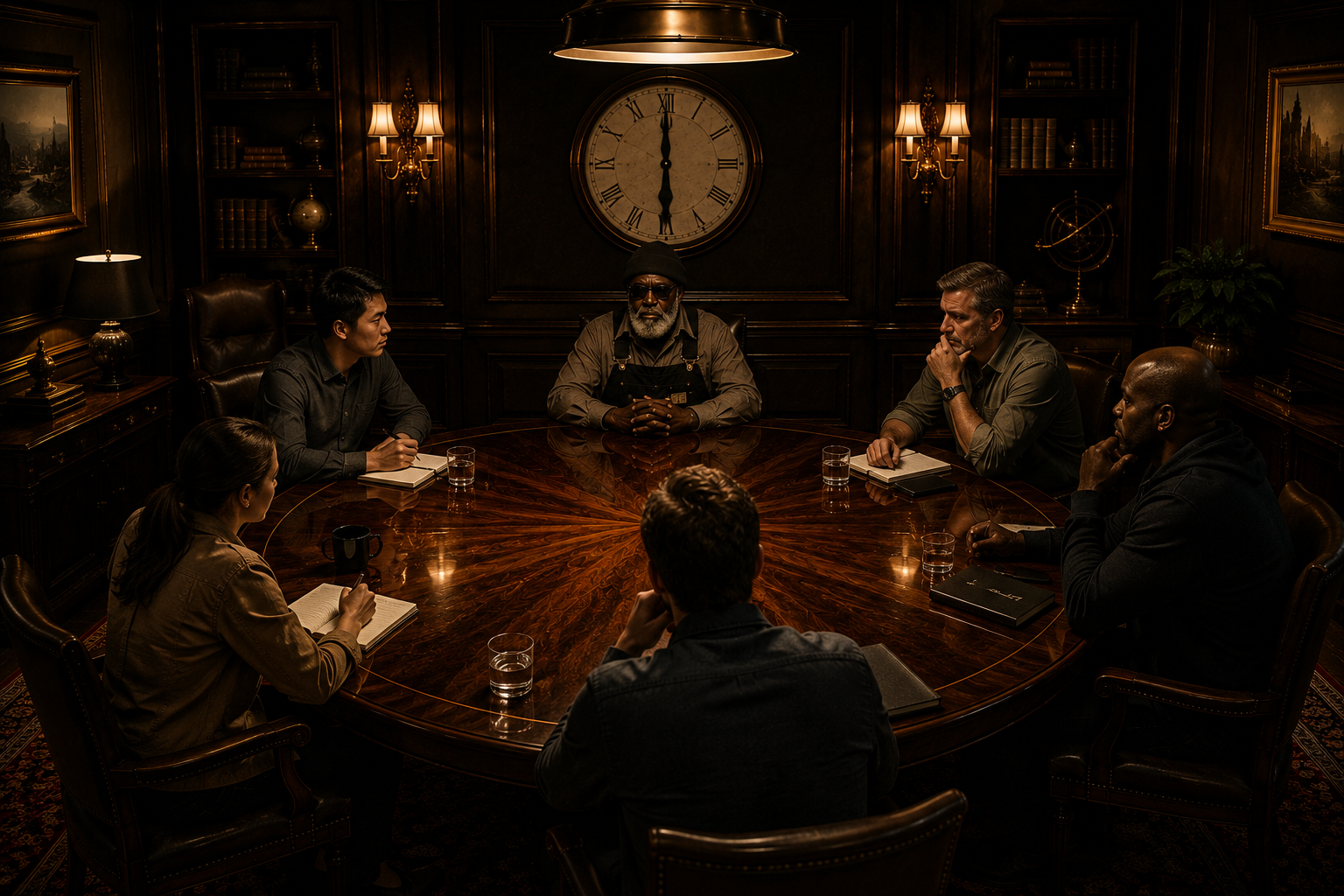
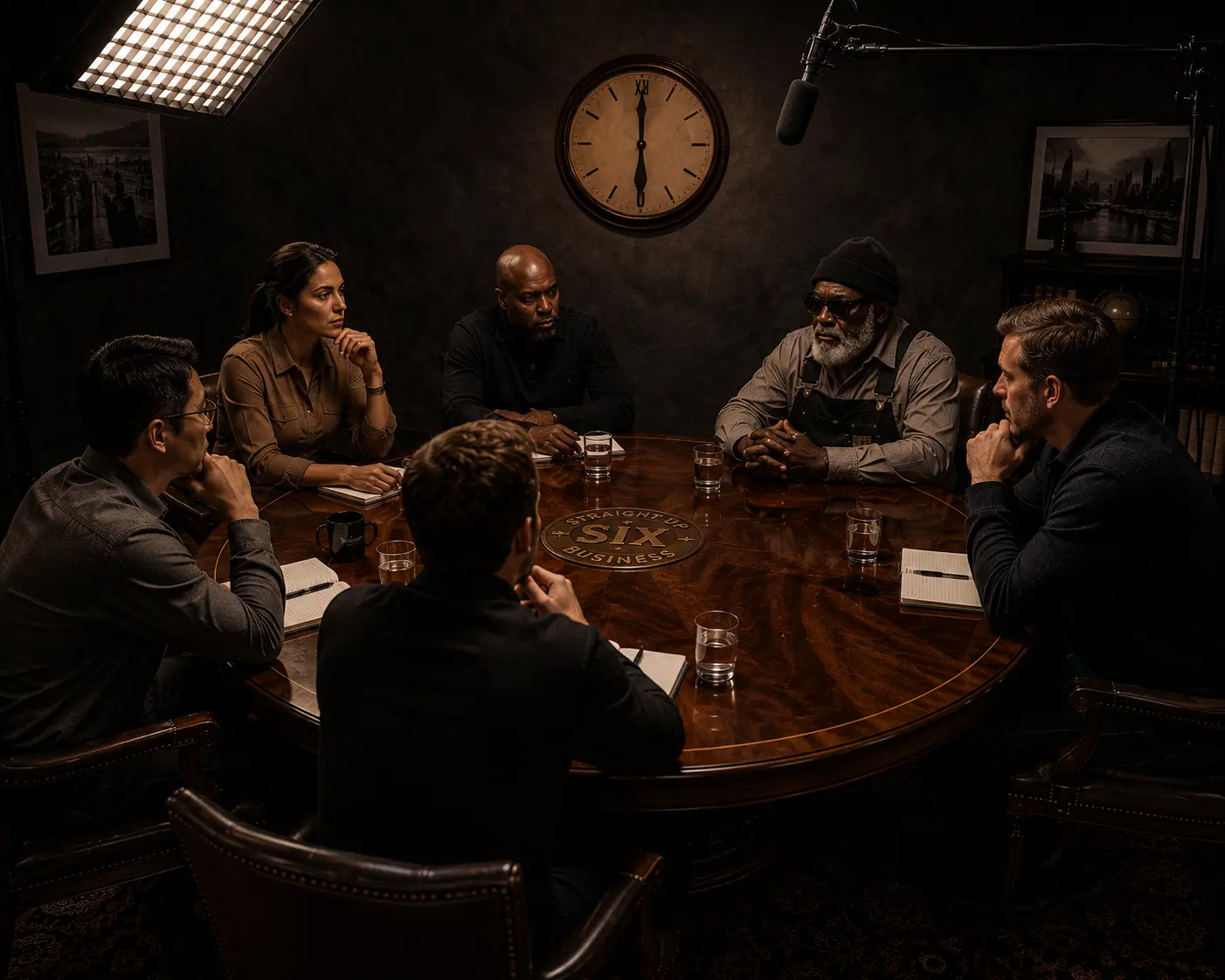
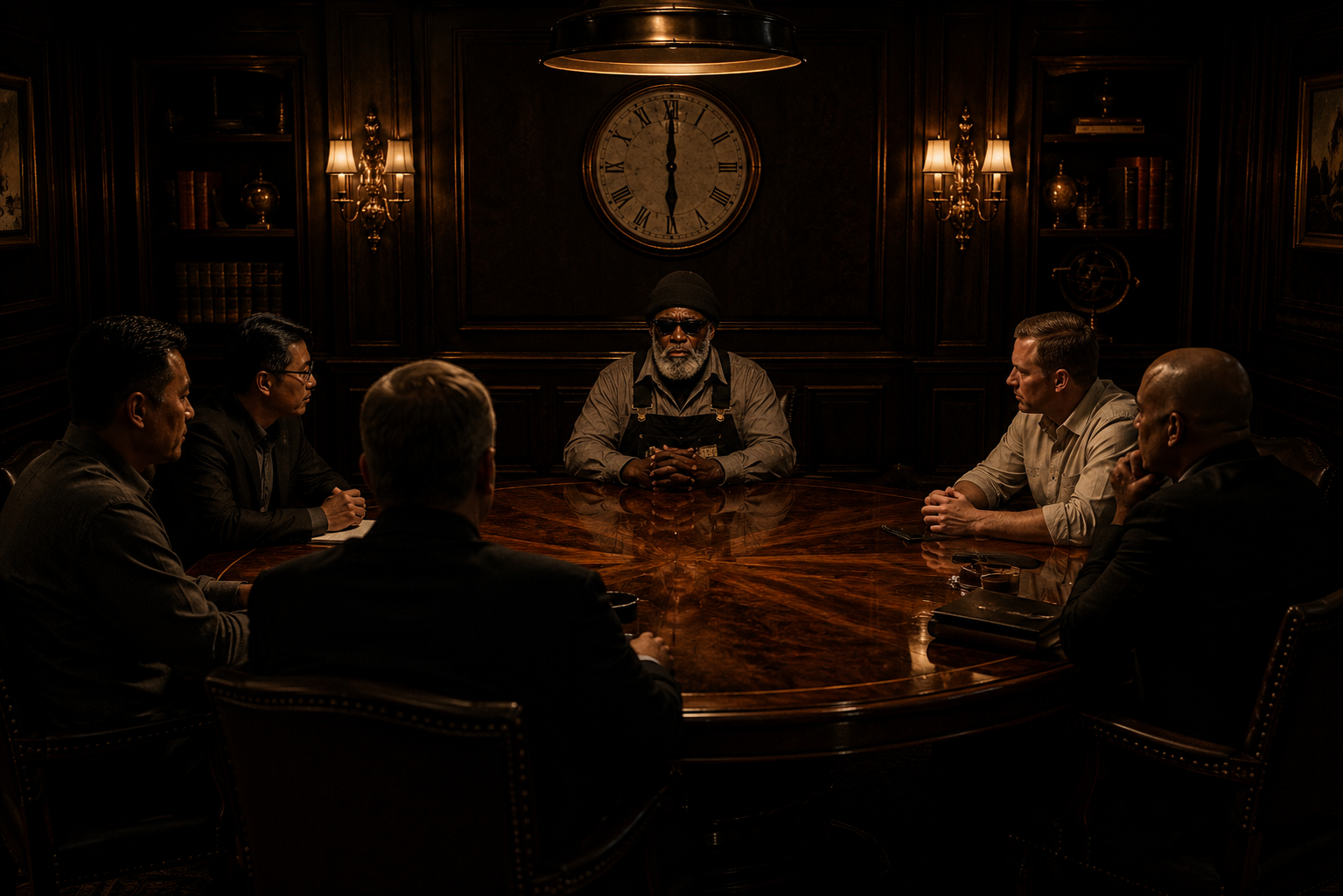
This is an opening sitting. A private deliberation convenes across three rounds to test where each view holds and where it breaks.
The Facilitator’s Read
WHAT THE ROOM SURFACED
Speakers said hiding bad facts can rot a group from within, trap people in lies, and break public trust.
They also noted that speaking out immediately can crush innocent workers who did no wrong.
WHERE THEY DIFFERED
Some focused on the real harm that sudden collapse brings to blameless people who need their jobs.
Others questioned whether an organization that survives only on falsehood has any true good left to save.
WHAT WAS CHALLENGED
Speakers challenged leaders who call silence loyalty when it might really be plain fear.
They also challenged leaders who would sink the whole ship just to keep their own consciences clean.
WHAT MAY STILL BE MISSING
The seats did not describe what specific wrong was done or how serious the damage would be.
They did not examine whether the truth could be brought to light in stages rather than all at once.
WHAT REMAINS UNRESOLVED
It is not settled whether shielding innocent people justifies keeping a lie that festers over time.
The balance between sudden ruin today and the slow loss of reality remains open.