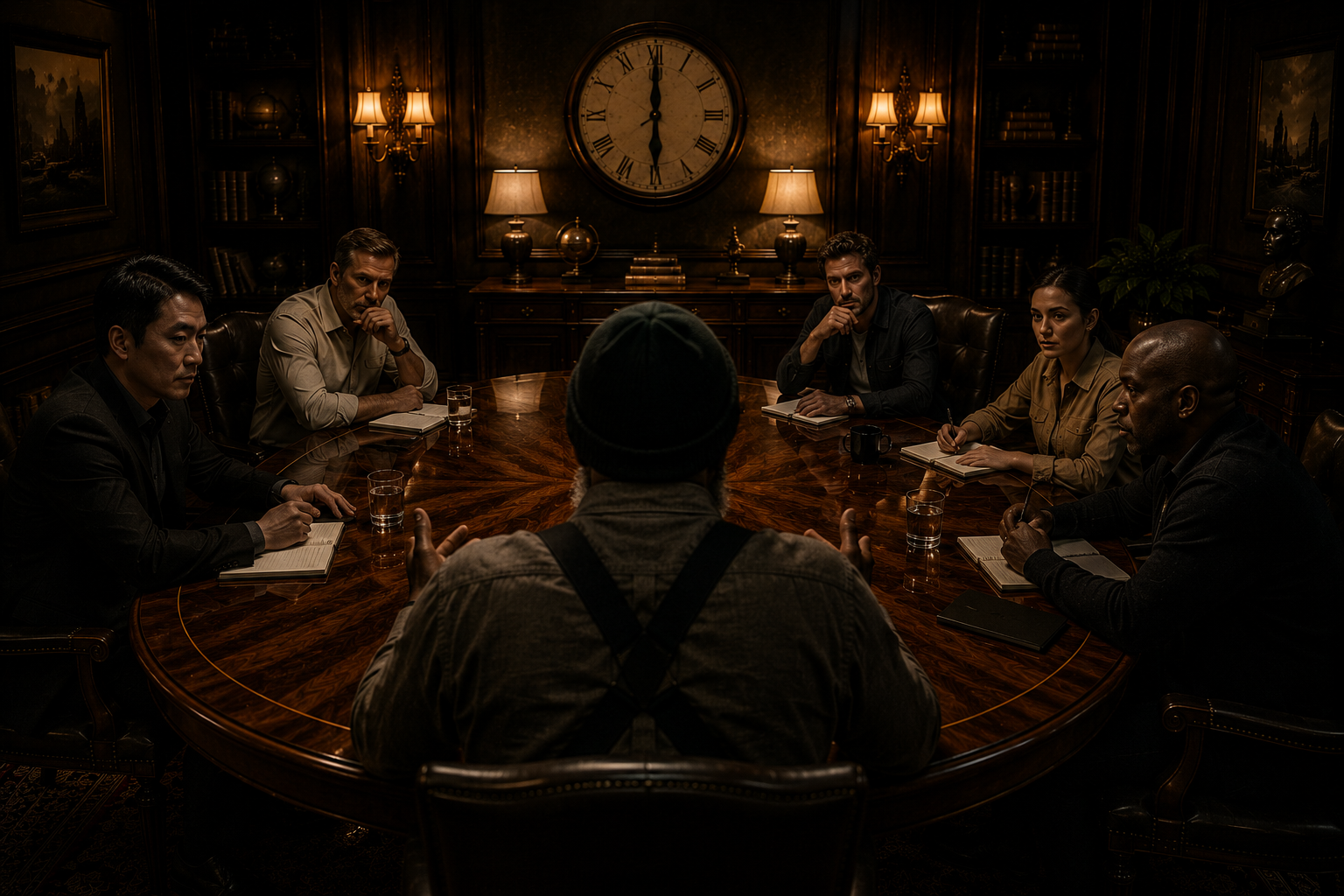
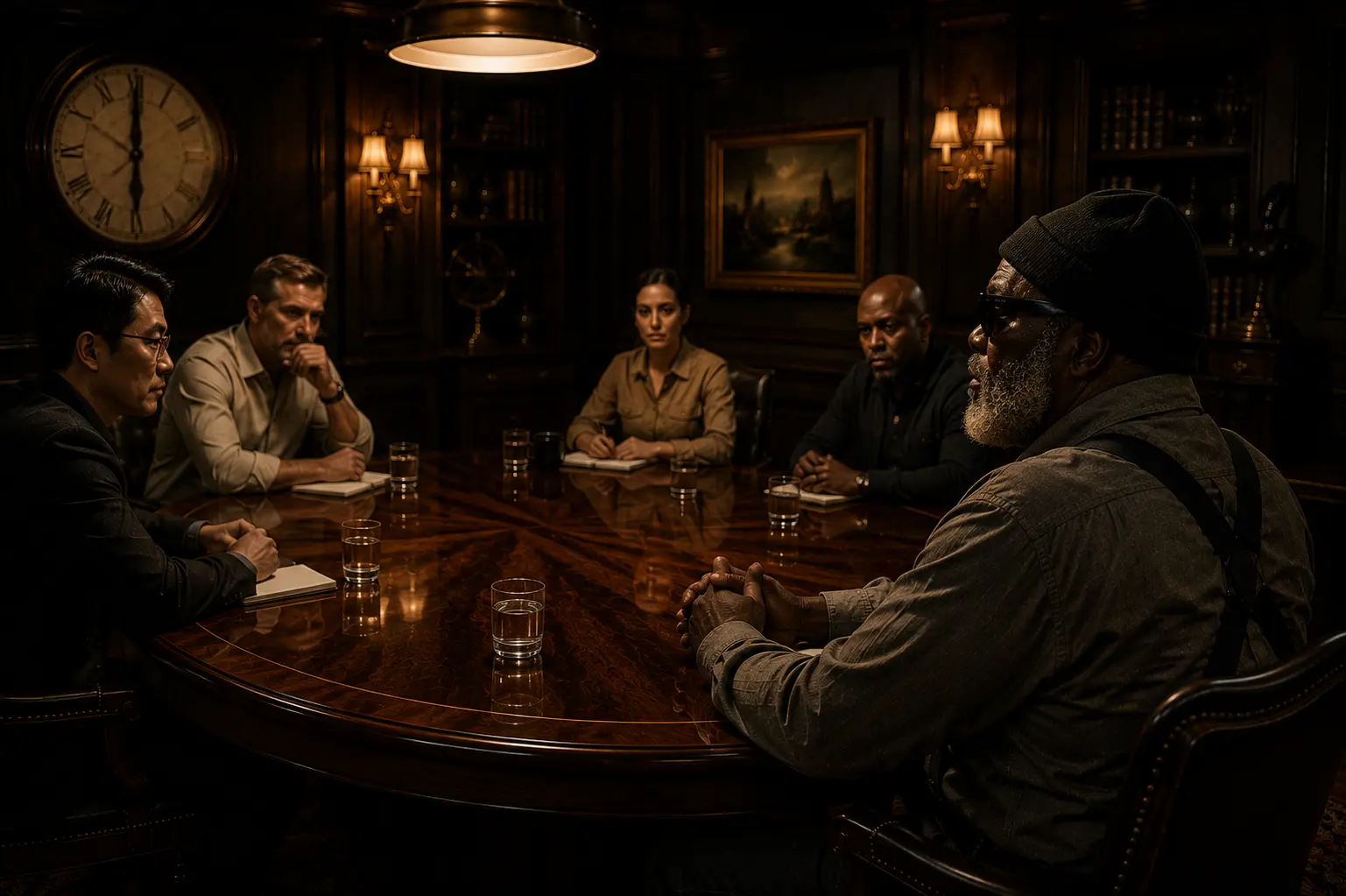
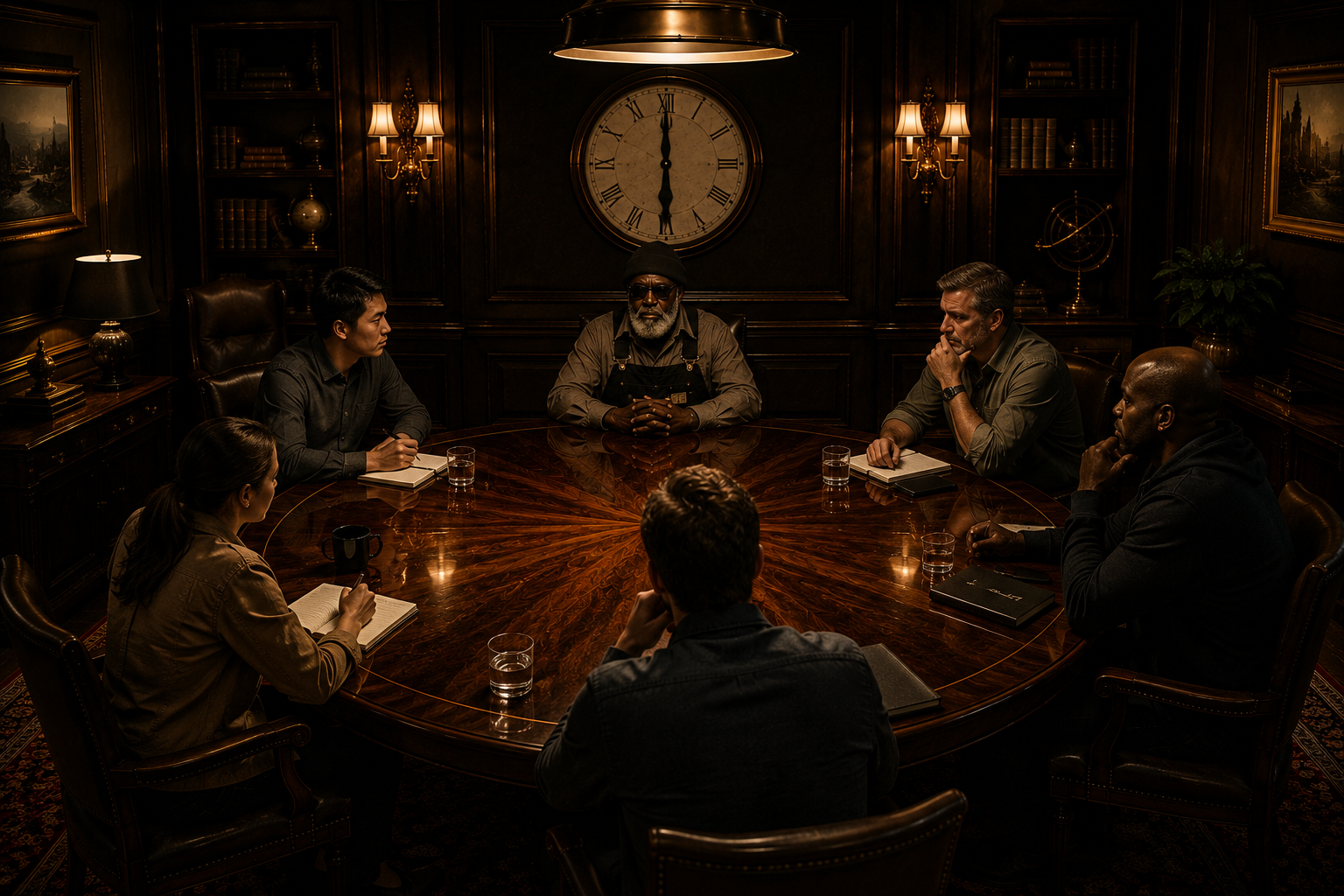
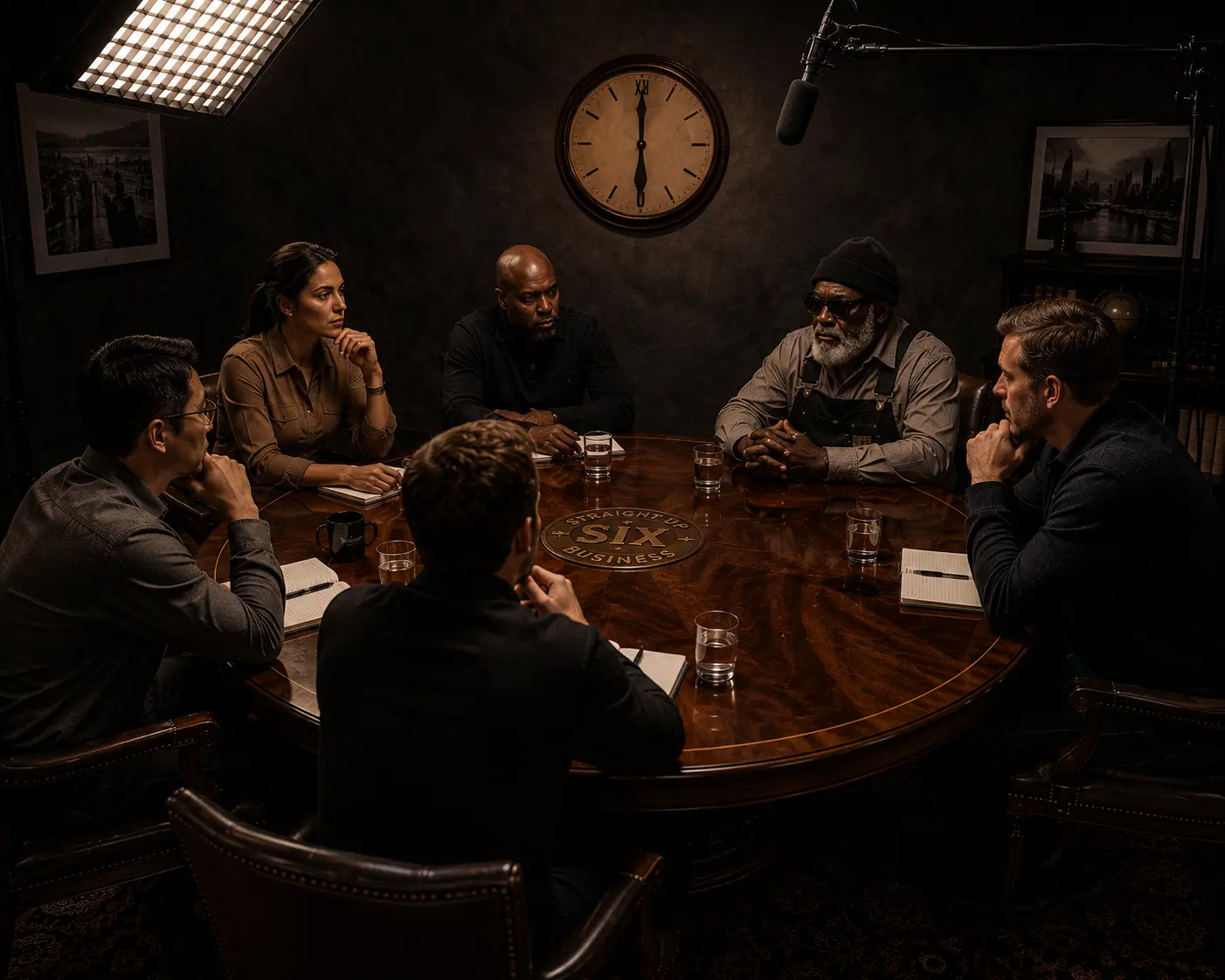
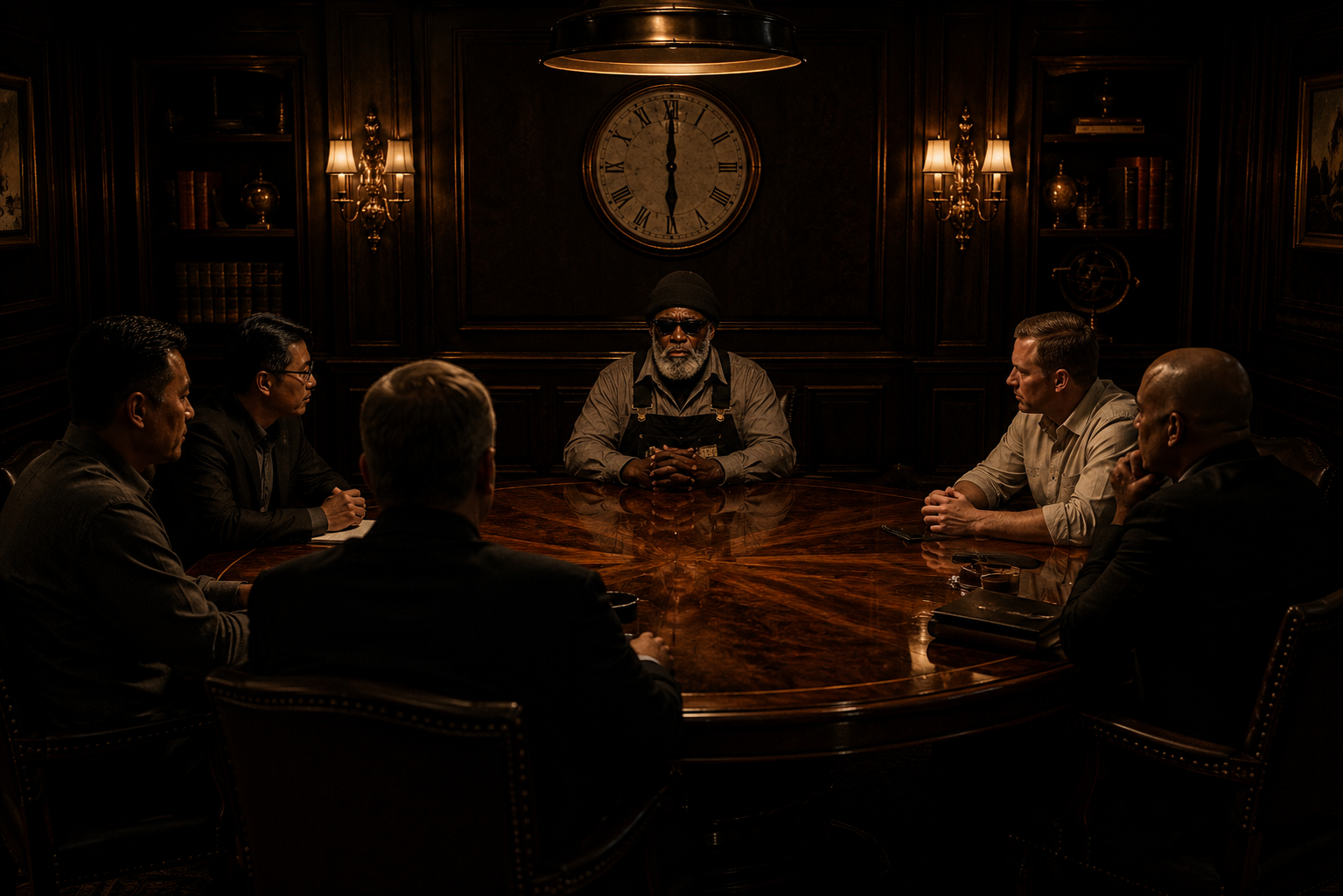
The First Sitting
The table takes the question in turn
Benjamin Franklin
Statesman · inventor · writer
The lens used for this seat: Practical judgment, habits and public responsibility.
A boy who never ruins a batch of ink will never learn to set type. You want them to have your eyes before they touch the tools. But judgment is bought with bad calls and empty pockets. If you hold the reins until you feel safe, you hold them until you drop dead. Then they get the whole shop in one day with no practice. Yet if you give them the purse too soon, they will buy vanity instead of paper. Can someone learn to steer while you still keep one hand on the tiller?Interpretation
Confucius
Chinese teacher · philosopher
His students gathered his sayings in the Analects, a book on family duty, good conduct and fair rule.
A son who wears his father’s robe does not gain his father’s heart. You ask about handing down power. But power given to a person without reverence only feeds pride. When you hold back parts of the house, you tell them they are still strangers in their own home. That breeds quiet anger. Yet if you step aside just to keep the peace, you place the family altar in weak hands. If duty has not taken root in the quiet hours, how will giving them a seat at the table change who they are?Interpretation
Peter Drucker
Management writer · consultant
He wrote about how people, work and the purpose of a business fit together.
Most founders build a machine that only runs when they are in the room. You want them to share your judgment, but judgment only grows when people face real results. If you keep the big choices for yourself, you keep them as helpers, not leaders. They will wait for your nod instead of testing reality. But if you hand over key areas while hiding the balance sheet, you invite blind drift. The real risk is not their bad choice today. It is your belief that anyone can learn to manage without being allowed to fail completely.Interpretation
Madam C.J. Walker
Business owner · hair care pioneer
She built a hair care business for Black women and trained women as sales agents.
It takes years to build a name and one careless afternoon to lose it. You worry about when to step aside. But if they did not carry the heavy bags up the stairs, they will never treat the business like their own child. Giving them power too early makes them take the work for granted. Still, keeping them under your thumb leaves them weak. When you are gone, wolves will circle, and your heirs will not know how to fight back. Does keeping the keys protect the house, or does it leave them helpless when the door is kicked in?Interpretation
Marcus Aurelius
Roman emperor · Stoic writer
The lens used for this seat: Duty, limits and self-command.
We look at our children and hope they will share our nature. Often, they do not. You plan out a calendar for when they will be ready. Nature does not care about your schedule. Your breath can stop tomorrow, ready or not. If you guard the throne too tightly, you hide the bitter weight of responsibility from them. They will only see the purple cloth and the praise. Then they inherit a burden they do not respect. Can any man truly train his successor, or is that just another vain attempt to govern what is outside our reach?Interpretation
When we build something good, we start to think it belongs to our family. We forget the neighbors whose daily lives depend on the work staying sound. If you treat authority like an heirloom, you put your private hopes above the common need. Waiting too long makes the house rot from the top. Handing it over too fast makes guinea pigs out of the people you promised to protect. If those who inherit the work do not feel the pain of the humblest person in the room, whose work are they really continuing?Interpretation
You want to protect what you built, but you also want your heirs to grow up. Some see that holding the keys keeps them weak. Others see that handing over power too soon invites quick ruin for everyone involved. The hard thought is that true judgment might only come from surviving real loss. Can you save the work from failure without keeping them from the very pain that teaches?
This is an opening sitting. A private deliberation convenes across three rounds to test where each view holds and where it breaks.
The Facilitator’s Read
WHAT THE ROOM SURFACED
Holding back control leaves heirs weak and unprepared when trouble or death strikes.
Giving power away too fast wastes resources, breeds pride, and hurts the people who rely on the work.
True judgment only grows when people feel the weight of hard choices and live with the results.
WHERE THEY DIFFERED
Some focused on using small mistakes and heavy chores to train heirs to survive.
Others focused on inner duty, shared burdens, and the well-being of the wider community.
One doubted whether anyone can actually shape an heir's nature before time runs out.
WHAT WAS CHALLENGED
The idea that keeping tight control protects the house was seen as making the future more dangerous.
Treating the work as private family property was challenged for ignoring the harm done to dependent neighbors.
The belief that someone can learn to run the machine without being allowed to fail was rejected.
WHAT MAY STILL BE MISSING
A clear tally of how much harm falls on everyday workers and neighbors when an heir makes a bad call.
Ways to measure whether sharing power early creates more total stability than waiting.
WHAT REMAINS UNRESOLVED
Which specific tools or funds must stay locked away to keep the whole group safe from ruin.
How to balance the heir's need to learn against the risk to everyone who depends on the outcome.