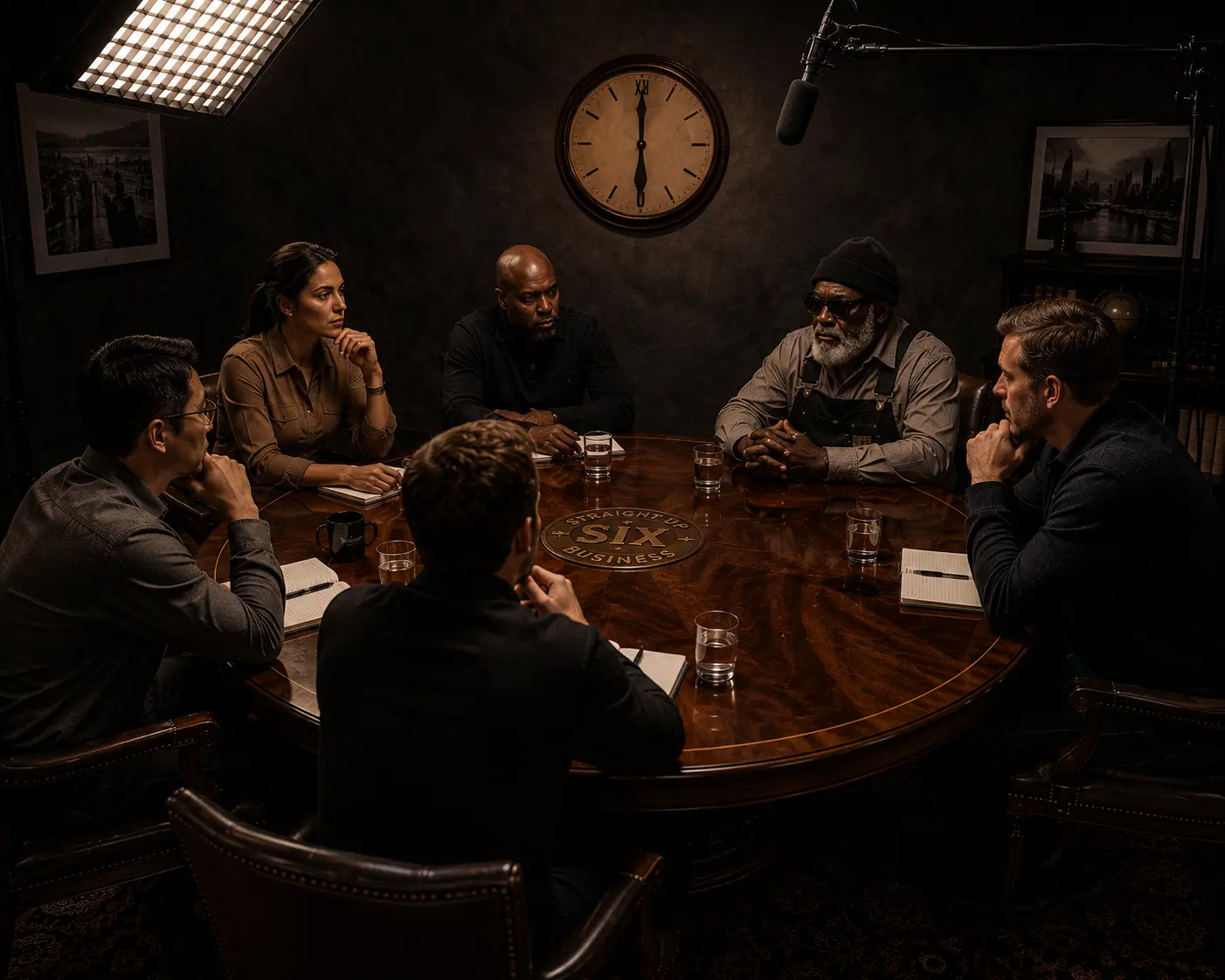
The First Sitting
The table takes the question in turn
Watch a small child pour water. If you grab the cup, you say they cannot do it. Adults call this care. But often it is just hurry, or fear of a spill. The spill is how they learn. When you carry someone everywhere, their legs stay weak. You feel noble because your arms are tired. But you made them need you. What if your care is not helping them grow, but stopping them from walking away?Interpretation
Fred Rogers
Television host · Presbyterian minister
The lens used for this seat: Childhood, care and emotional honesty.
It is very hard to watch someone you love feel sad or make a mistake. We want to fix the day so they never hurt. We tell ourselves we do this just to keep them safe. But sometimes we do it so we do not have to feel our own ache. It is scary to let someone have their own hard feelings. When you smooth out every bump, you might be protecting your own heart, not theirs. Whose tears are you really trying to stop?Interpretation
Marcus Aurelius
Roman emperor · Stoic writer
The lens used for this seat: Duty, limits and self-command.
You rule your own mind, not the world. Nature gave other people their own share of trouble and choice. When you try to guide their steps, you fight the way things are. You call it duty to the household or the state. But fate does not ask for your permission. Trying to steer what belongs to another soul is a kind of hidden pride. You exhaust your spirit for an illusion. If the outcome was never yours to hold, what are you actually clutching?Interpretation
A person must be free to make their own experiments in living. Even if they choose poorly, the choice belongs to them. You may believe your wiser plan prevents great harm. That is the old excuse of every master. When you steer their path, you take away their chance to become a full person. You trade their freedom for your peace of mind. A safe cage is still a cage. Can a life truly be good if it is lived on someone else's terms?Interpretation
Confucius
Chinese teacher · philosopher
His students gathered his sayings in the Analects, a book on family duty, good conduct and fair rule.
Order begins inside the self before it reaches the family. A parent or elder must stand in the right place, like the north star. But holding the role is not the same as pulling the strings. When you force the branch to bend your way, the wood snaps. You think you are keeping the home in balance. Yet true harmony asks each person to learn their own part through respect, not force. If you carry the burden alone, how will the family ever stand?Interpretation
You speak of serving others, but how do you know what is truly good for them? You fear what will happen if you let go. Does that mean you already know the best path? Perhaps you only know what makes you feel comfortable. If a person never meets difficulty, how do they find wisdom? You call your grip care, but it might be ignorance wearing a gentle mask. If you do not know the good, what outcome are you so busy defending?Interpretation
What surfaced is a hard mirror. Holding on tight may look like love, but it often protects your own peace, not theirs. It can keep others weak just so you feel safe. Yet letting go has real costs too. People can truly fall and get hurt. So the question stays open: How do you let someone you love face real harm without abandoning them when they need you most?
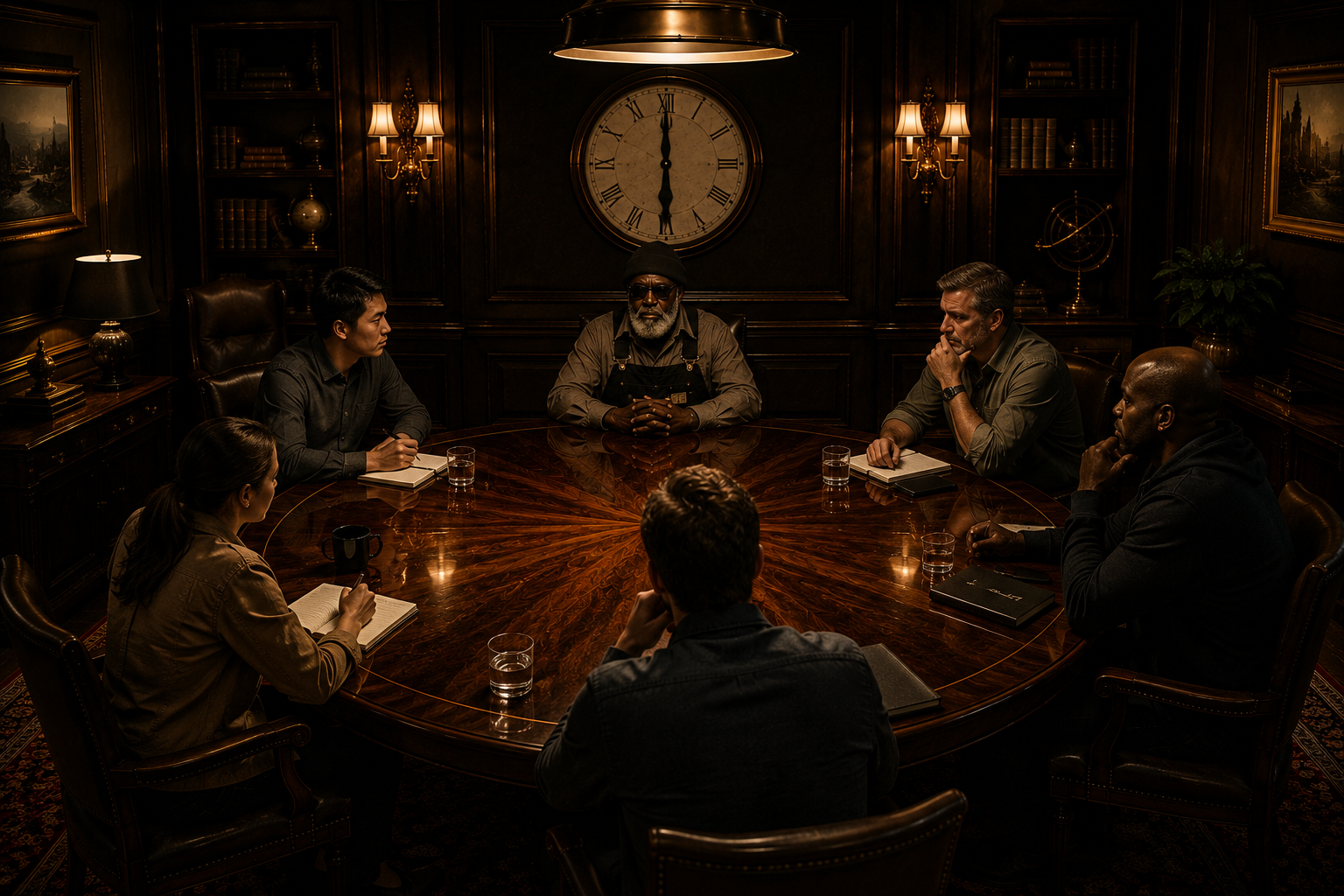
This is an opening sitting. A private deliberation convenes across three rounds to test where each view holds and where it breaks.
The Facilitator’s Read
WHAT THE ROOM SURFACED
Speakers said stepping in can stop loved ones from learning, walking on their own, or making life choices.
They pointed out that trying to fix everything often protects your own heart, pride, or comfort.
They noted that shielding people from every hurt can become a cage that keeps them weak.
WHERE THEY DIFFERED
Some focused on your inner feelings, like trying to stop your own ache or clutching an illusion of control.
Others focused on the other person, warning that you steal their freedom or break the family balance.
One asked if you even know what is truly good for someone else when you try to guide them.
WHAT WAS CHALLENGED
The thought that doing everything for someone is always proof of good care.
The belief that a person has the power or duty to steer another soul's path.
The excuse that keeping someone completely safe is worth taking away their chance to grow.
WHAT MAY STILL BE MISSING
No one talked about how to handle sudden, life-threatening danger where quick action is needed.
The seats left out how care might look different for people who cannot care for themselves at all.
WHAT REMAINS UNRESOLVED
It remains unclear how to tell the exact line between helping someone and holding them back.
The question of how to let go of an outcome when you are terrified of the harm it might bring was not settled.