Mastermind · public example

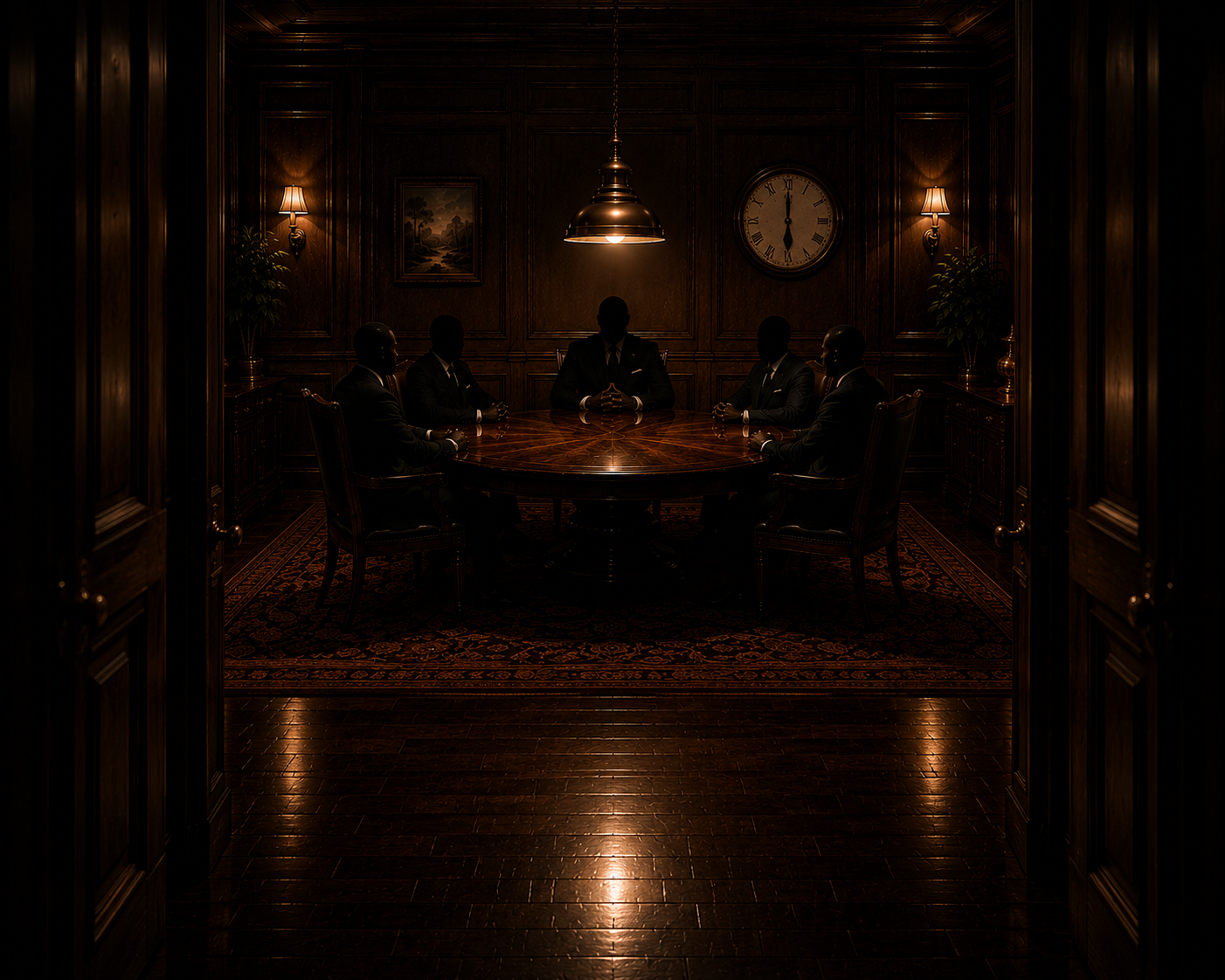
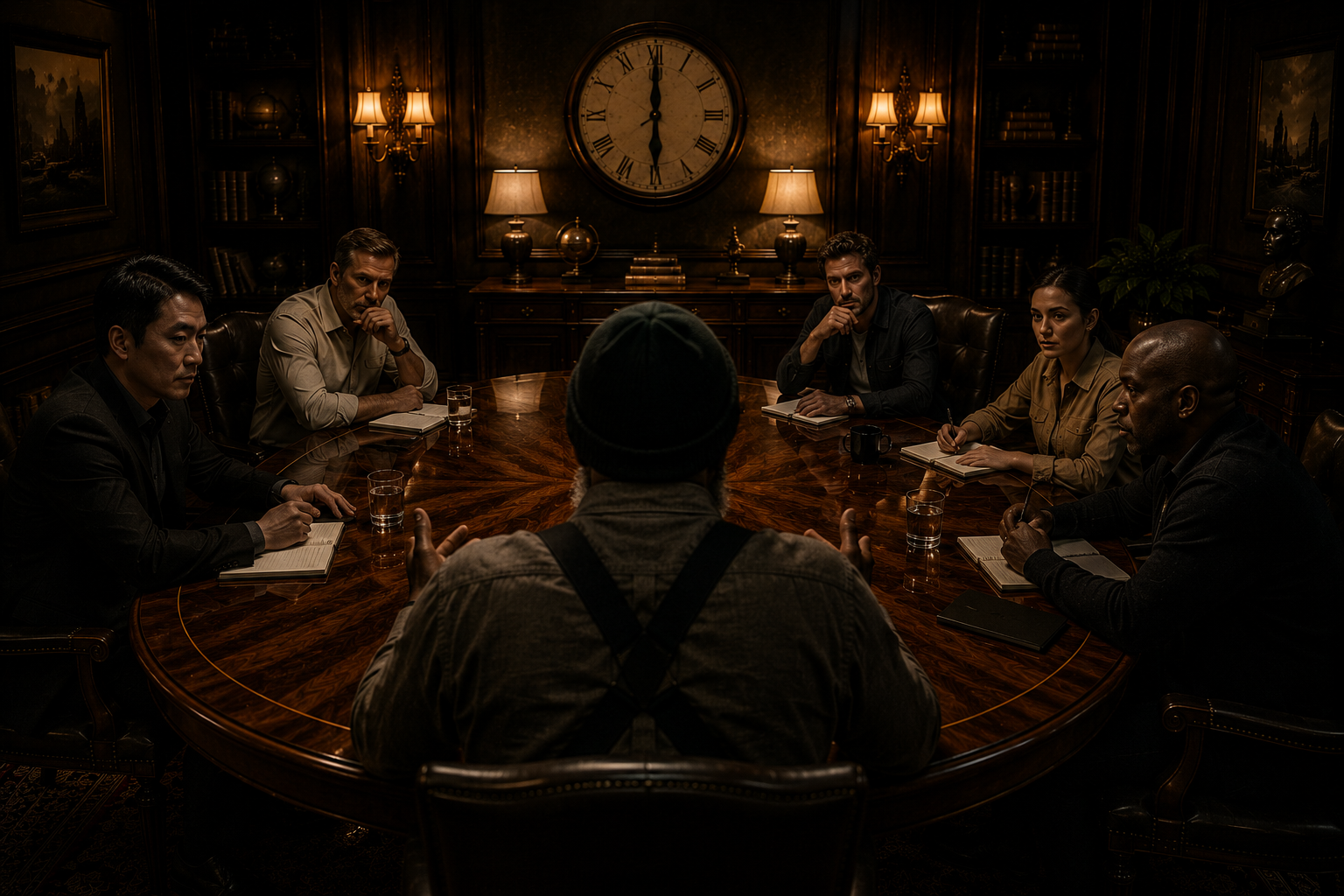
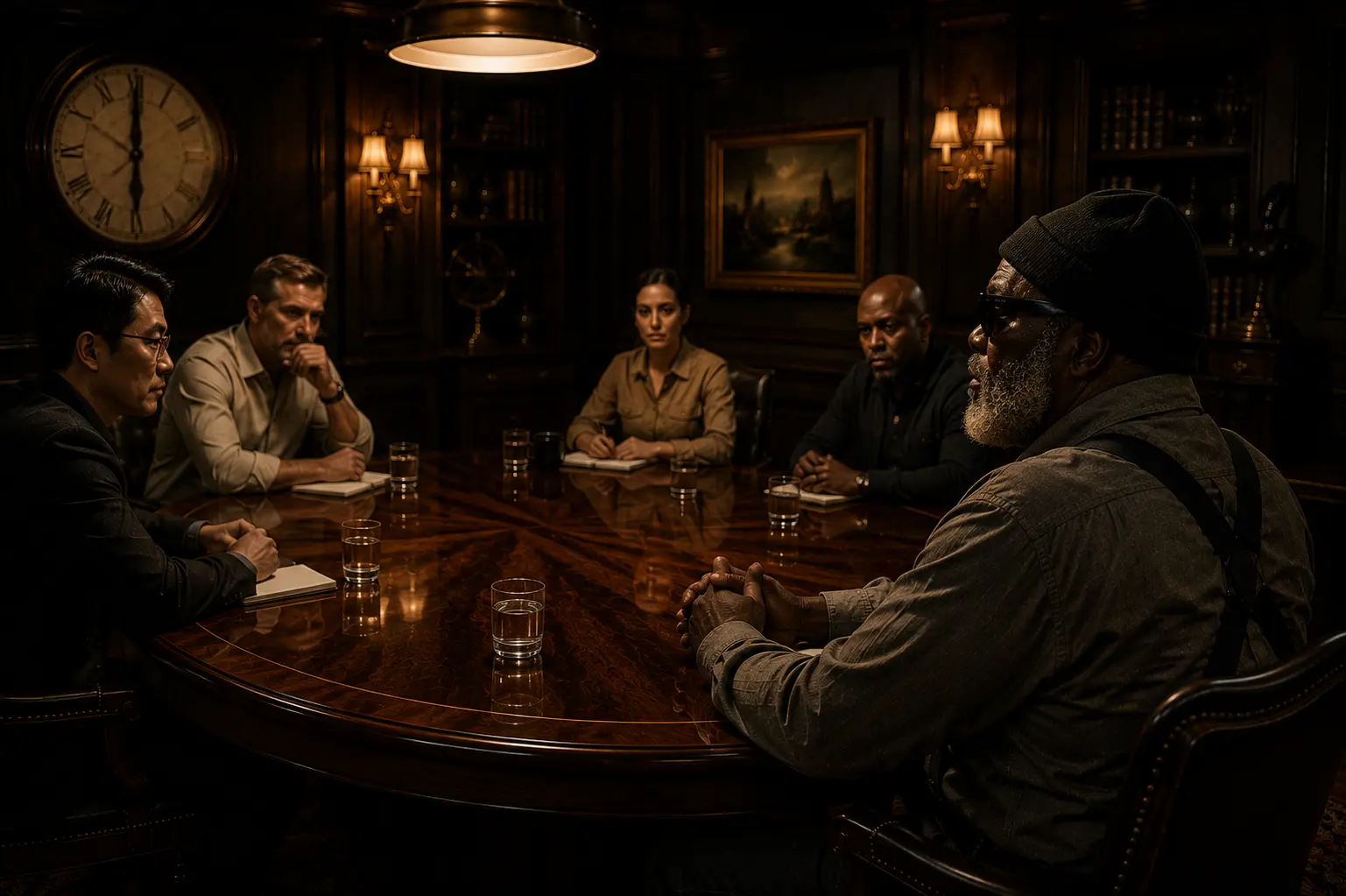
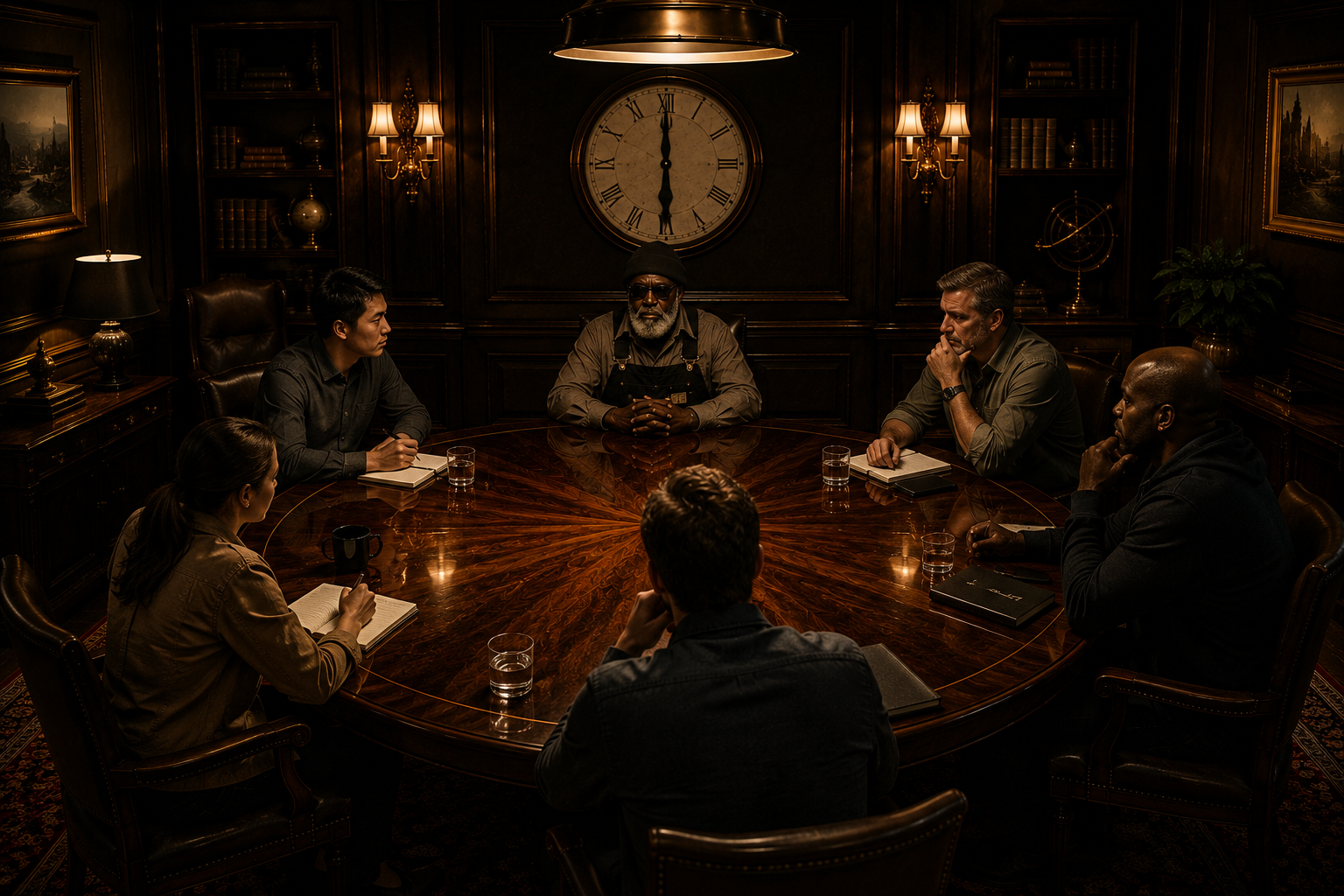
At the table

Leadership · Practice-made public example

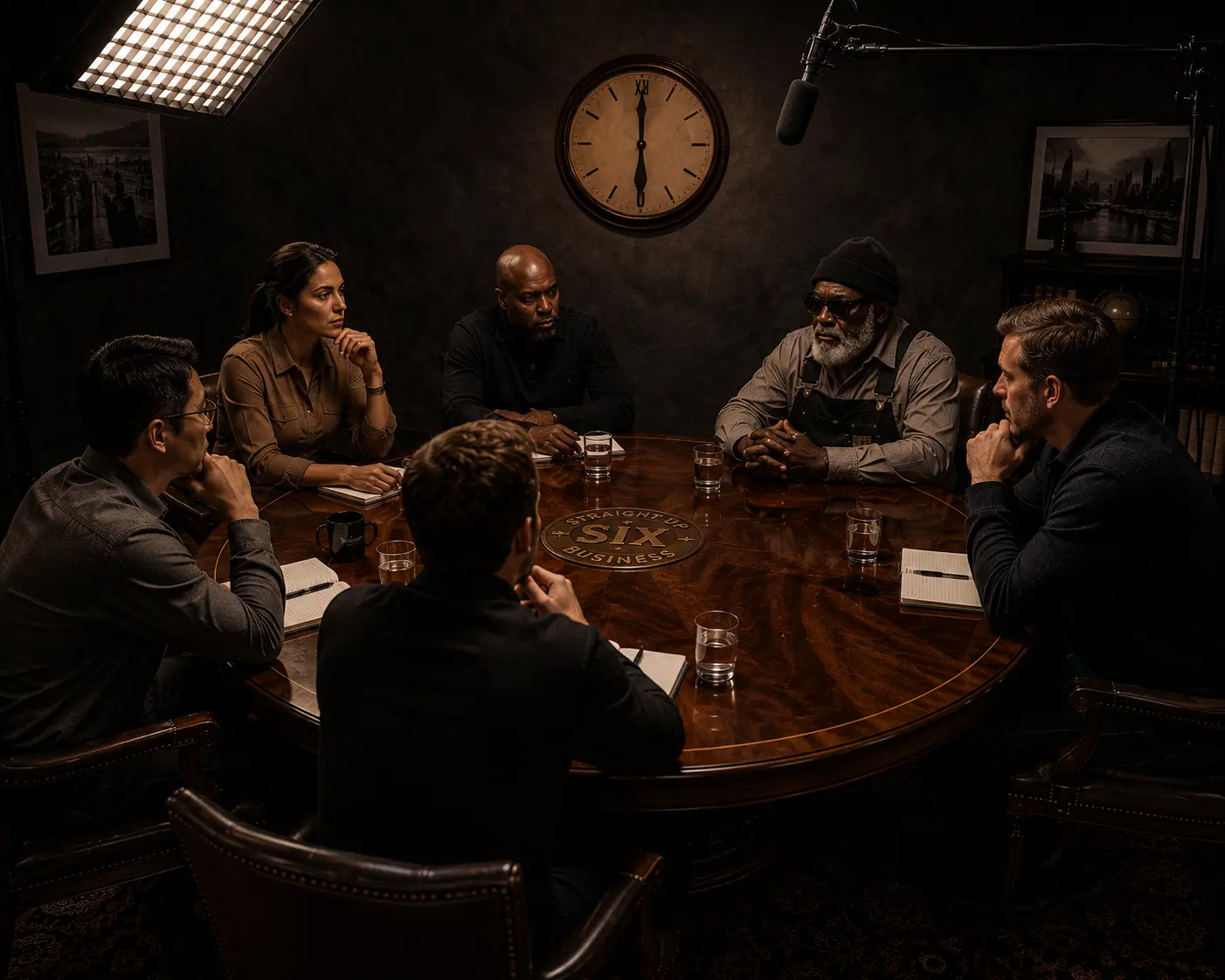
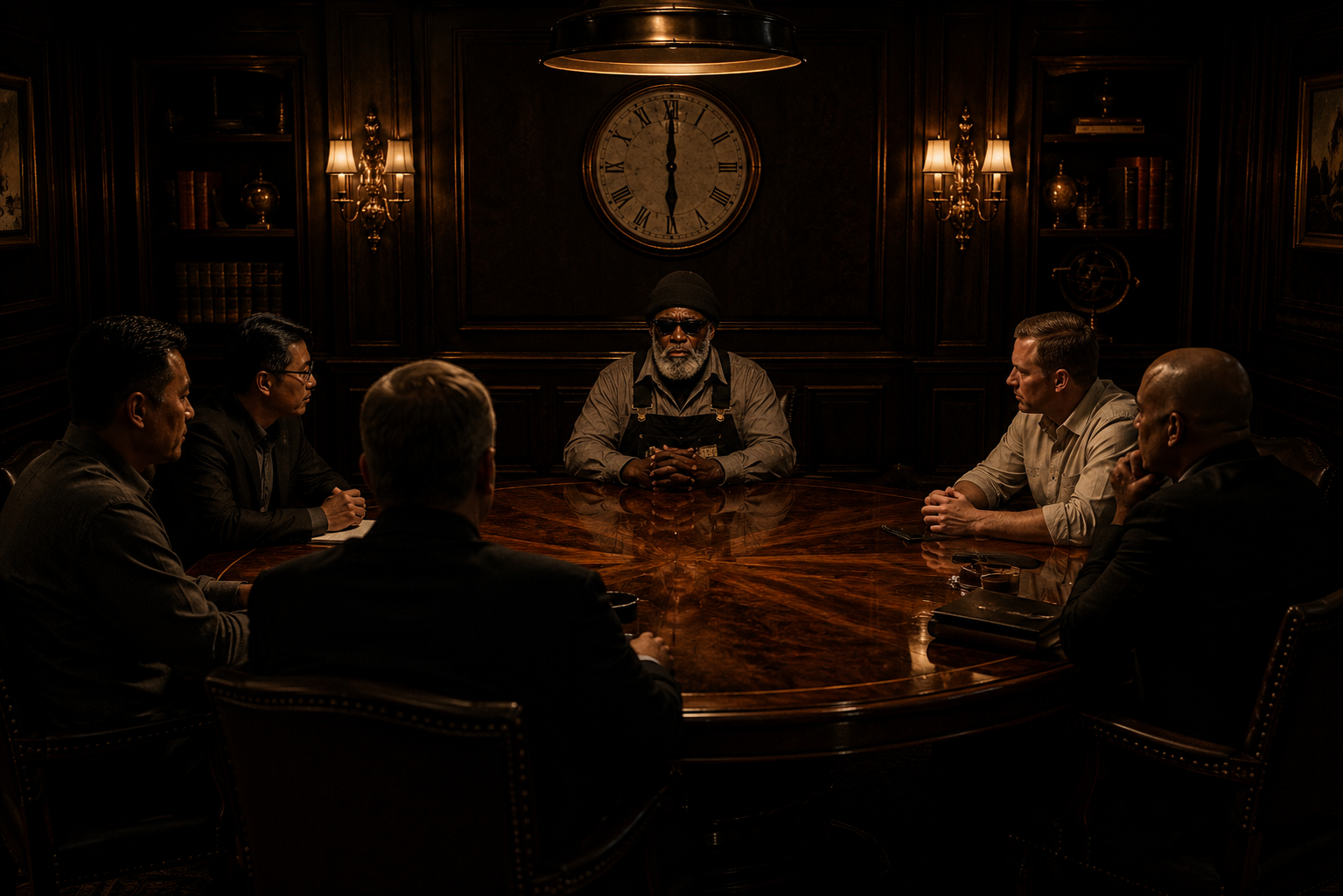
The Deliberation

At the table

  1. IFrederick DouglassSocial reformer
  2. IIAbraham LincolnStatesman
  3. IIIHannah ArendtPhilosopher
  4. IVHarriet TubmanSocial reformer
  5. VConfuciusChinese teacher · philosopher
  6. VIMarcus AureliusRoman emperor · Stoic writer

AI-rendered perspectives—not quotations. The named people did not participate.

The question

Brought to this example

I believe a decision will protect the organization long term, but some of the people who trusted me will pay the price immediately. What do I owe them before I make it?

The First Sitting

The table takes the question in turn

Frederick Douglass

Social reformer

Power always finds a grand reason to hurt the weak. It calls the harm a sad necessity. It asks the small group to bear the blow so the big group can stand. But who chose them to suffer? You did. You tell yourself it is for the long run. The people at the bottom only know they trusted your word, and now the lash falls on their backs while you keep your seat. The bitter truth is that once you trade away people for an institution, you belong to the institution, not to the truth.Interpretation

Abraham Lincoln

Statesman

A house must stand, or everyone inside is lost. That is the cold math leaders use at night. But do not kid yourself about the debt. When you cut off a limb to save the body, the limb still bleeds. You want to know what you owe them first. Maybe you just want their pardon so you can sleep. If you break faith with the few to keep the whole together, the stain stays on your hands forever. The organization might survive the day. Can it survive a leader whose promise snaps when the storm hits?Interpretation

Hannah Arendt

Philosopher

Organizations do not feel pain. People do. Yet people regularly sacrifice living flesh to keep an abstract machine running. You speak of the long term as if it were real. The long term is an idea. The harm you plan for those who trusted you is concrete. When leaders say the system must live, they stop thinking as moral beings. They turn themselves into simple cogs. If you treat human trust as currency you can spend for organizational safety, what kind of world are you actually building for the people who remain?Interpretation

Harriet Tubman

Social reformer

Out on the cold road, trust is the only blanket you have. If you tell people to follow you through the dark, you cannot drop their hands when the hounds get close. You say the group must go on. But if you throw some off the wagon to make it lighter, nobody on that wagon will ever close their eyes again. They will know their turn is coming. You worry about what to say to them before you push them. How will you look at the rest after the deed is done?Interpretation

Confucius

Chinese teacher · philosopher

His students gathered his sayings in the Analects, a book on family duty, good conduct and fair rule.

A state can lose its grain and still live. A state can lose its soldiers and still live. But if the people lose faith in their ruler, the state falls to dust. You want to save the roof by tearing down the pillars. Trust is not a gift you can take back when times get hard. When you cast out those who were loyal to you, you teach everyone watching that loyalty has no value. If the structure is saved by treachery, what is left inside it that is worth guarding?Interpretation

Marcus Aurelius

Roman emperor · Stoic writer

The lens used for this seat: Duty, limits and self-command.

Do not dress up an ugly act in noble clothes. Nature often requires the part to serve the whole. But do not pretend you can pay a fair price beforehand. A debt of broken trust cannot be settled with kind words or early warnings. You ask what you owe them because you wish to leave this room blameless. You cannot. If the duty of your post demands this injury, the guilt is yours to carry alone. Are you trying to soften their fall, or are you just trying to quiet your own shame?Interpretation

The Facilitator

The room’s host

This role holds the question and records what remains open.

Round close

What surfaced is a hard look at the trade you want to make. Voices warned that hurting loyal people to save a group poisons the trust everyone needs to survive. You might also be asking what you owe them just to ease your own guilt. The question left open is this: If you protect the system by breaking your word, what is left of that system that is still worth saving?

This is an opening sitting. A private deliberation convenes across three rounds to test where each view holds and where it breaks.

The Facilitator’s Read

WHAT THE ROOM SURFACED

The speakers pointed out that living people feel real pain, while an organization is just an idea.

They warned that cutting off trusted people spreads fear, ruins loyalty, and leaves everyone else waiting for their turn to suffer.

WHERE THEY DIFFERED

Some saw cutting off a part to save the whole as a cold, necessary duty of leadership.

Others saw hurting the weak for an institution as an abuse of power that destroys anything worth saving.

WHAT WAS CHALLENGED

They challenged the idea that you can pay off broken trust with kind words or early warnings.

They questioned whether you want to help those who will fall or just want to quiet your own guilt.

WHAT MAY STILL BE MISSING

The talk does not measure the full amount of suffering that happens if the entire group collapses.

It leaves out any way to weigh the total future pain of the many against the sure harm to the few.

WHAT REMAINS UNRESOLVED

It is not settled whether protecting the group creates enough good to balance out the damage done by betrayal.

It is still not clear if a leader who breaks a promise can ever keep the rest of the people safe.

The human decision

No person attended this example or wrote a decision. The table’s words are not a commitment.

Back to the reading room