Mastermind · public example

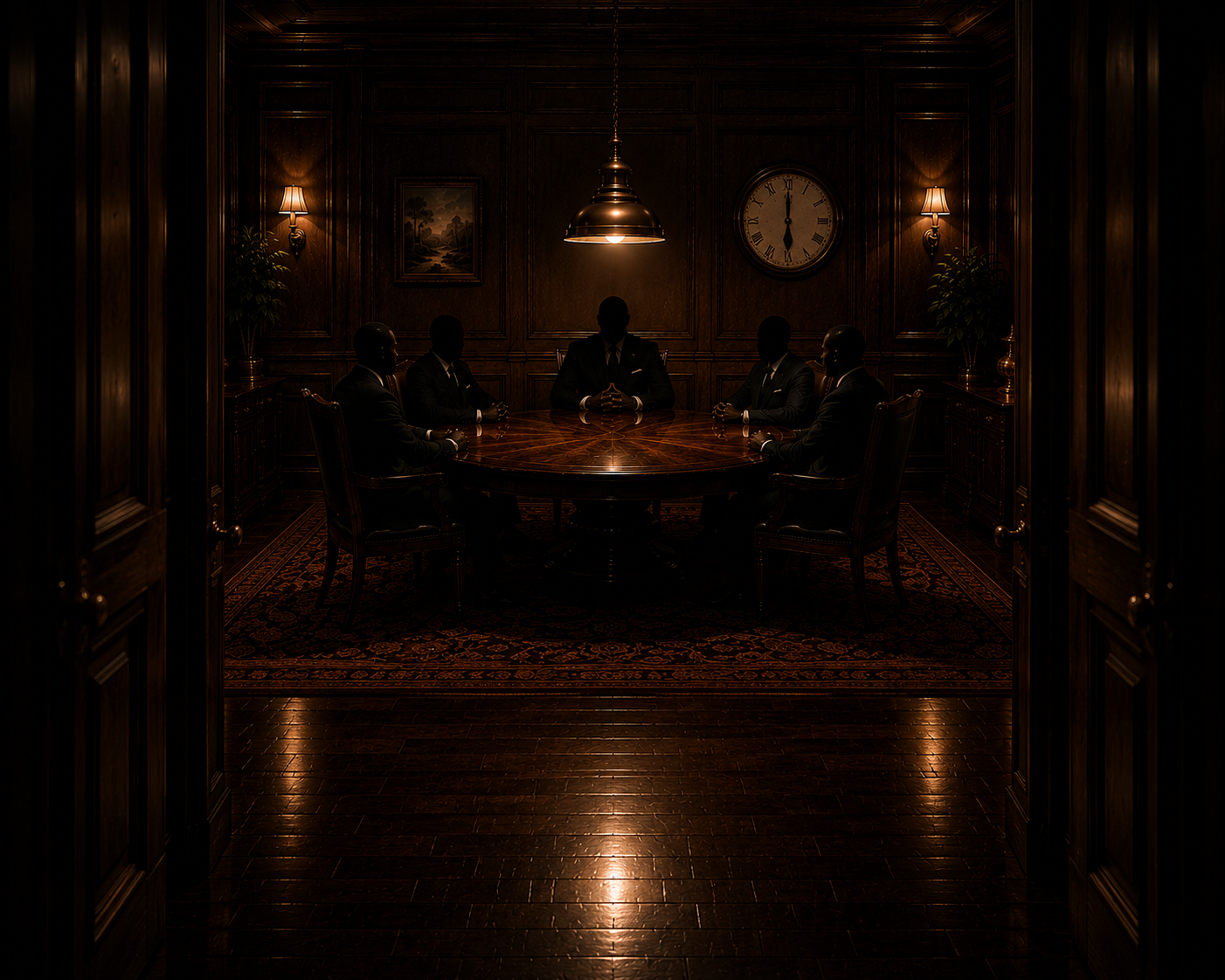
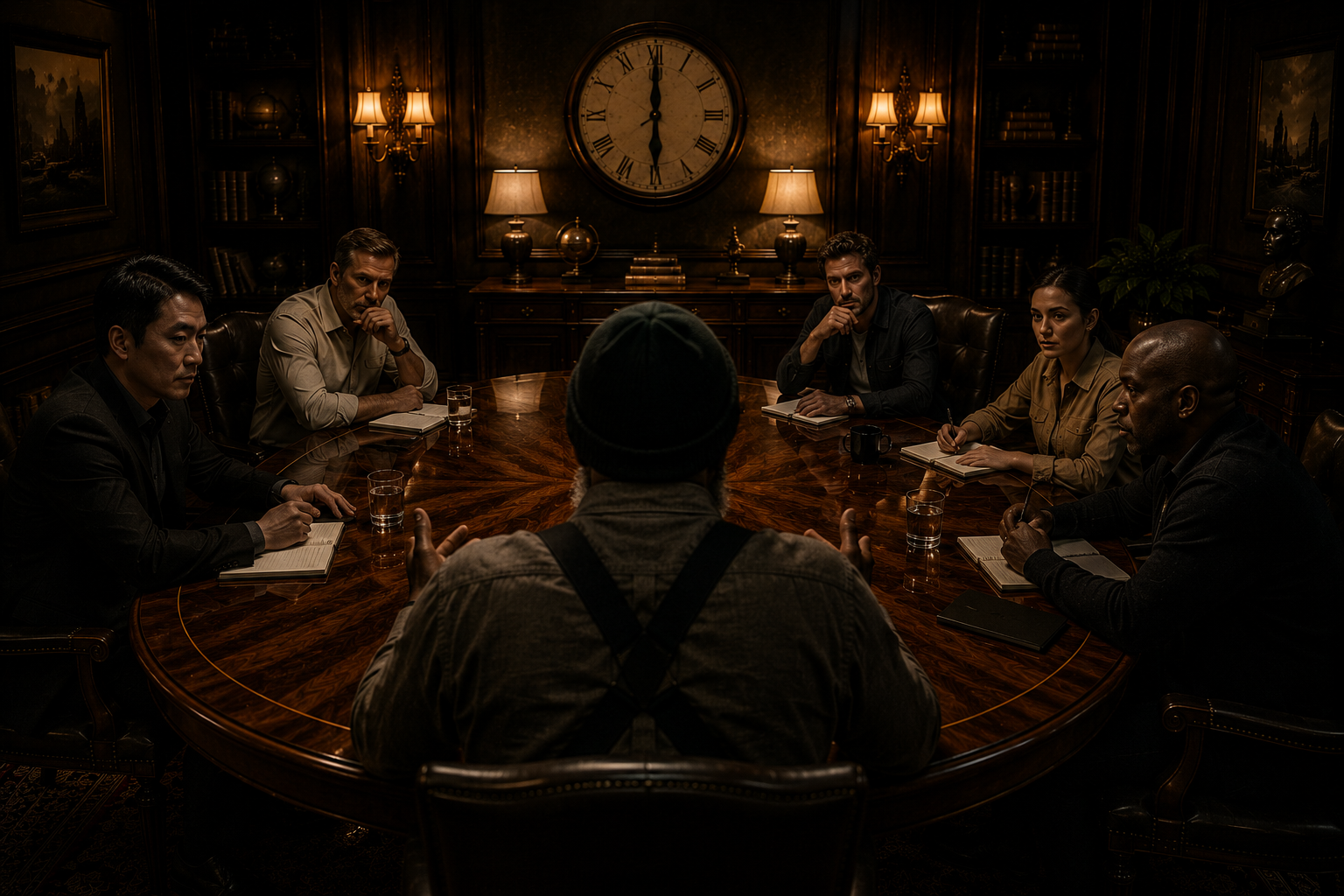
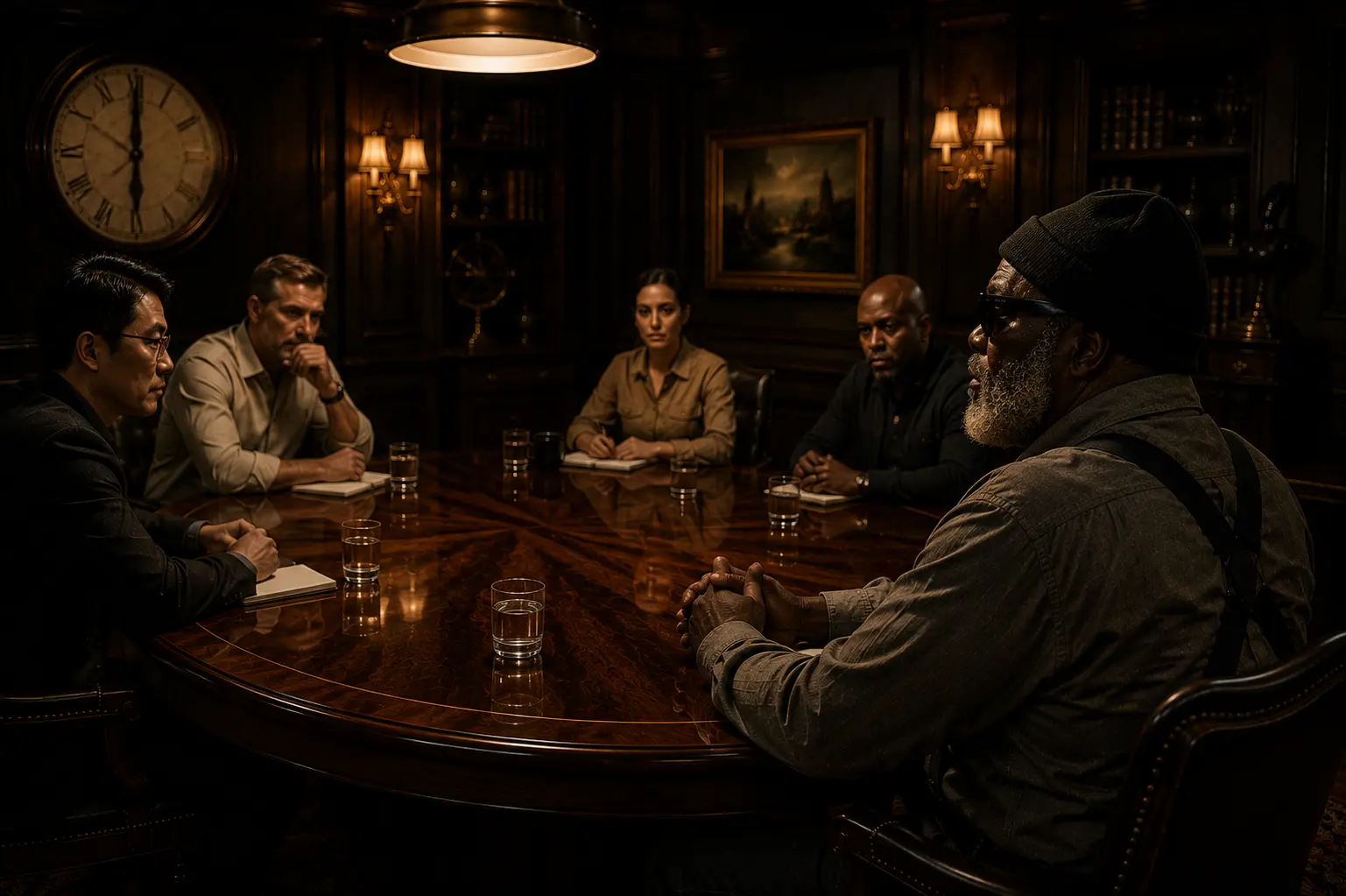
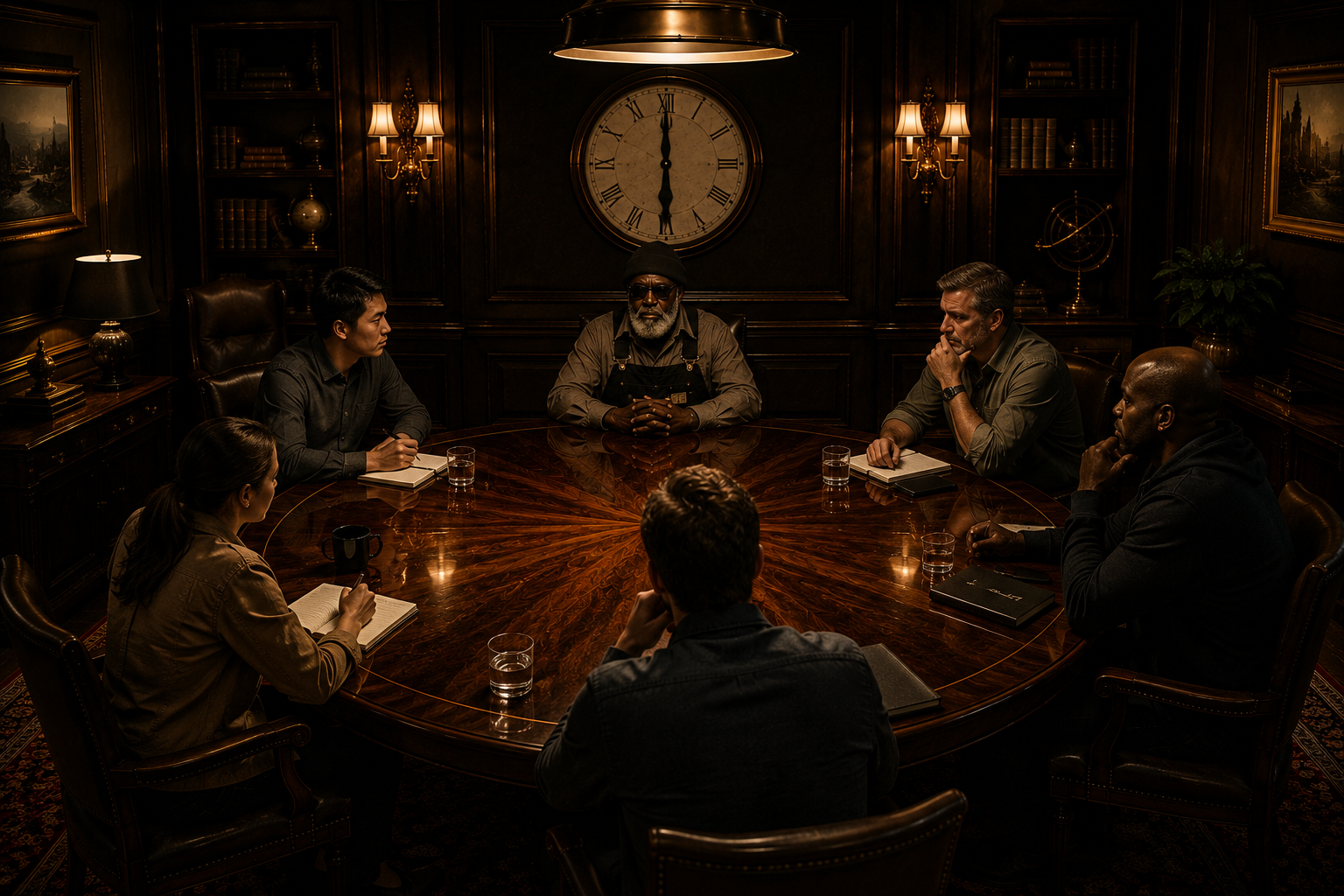
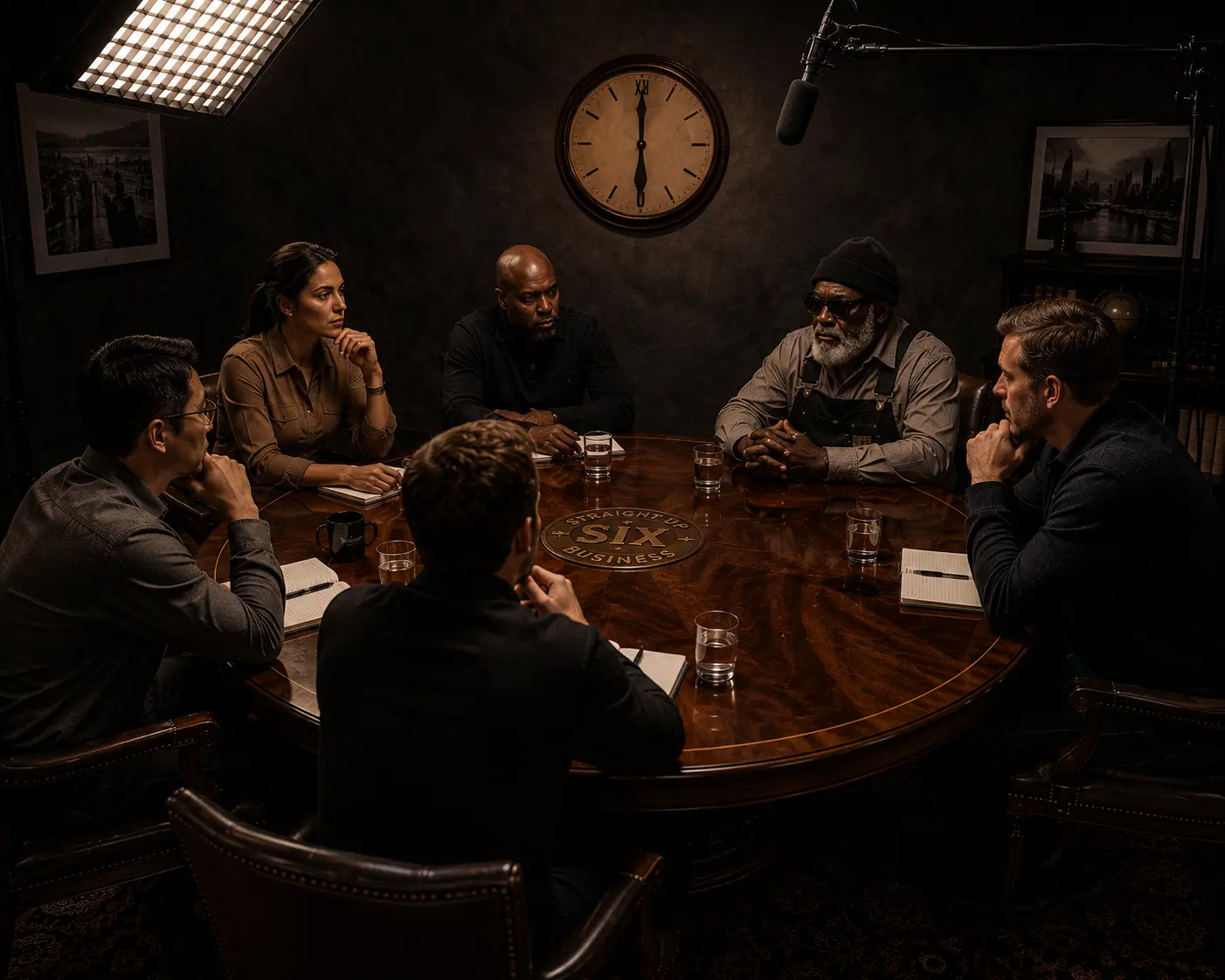
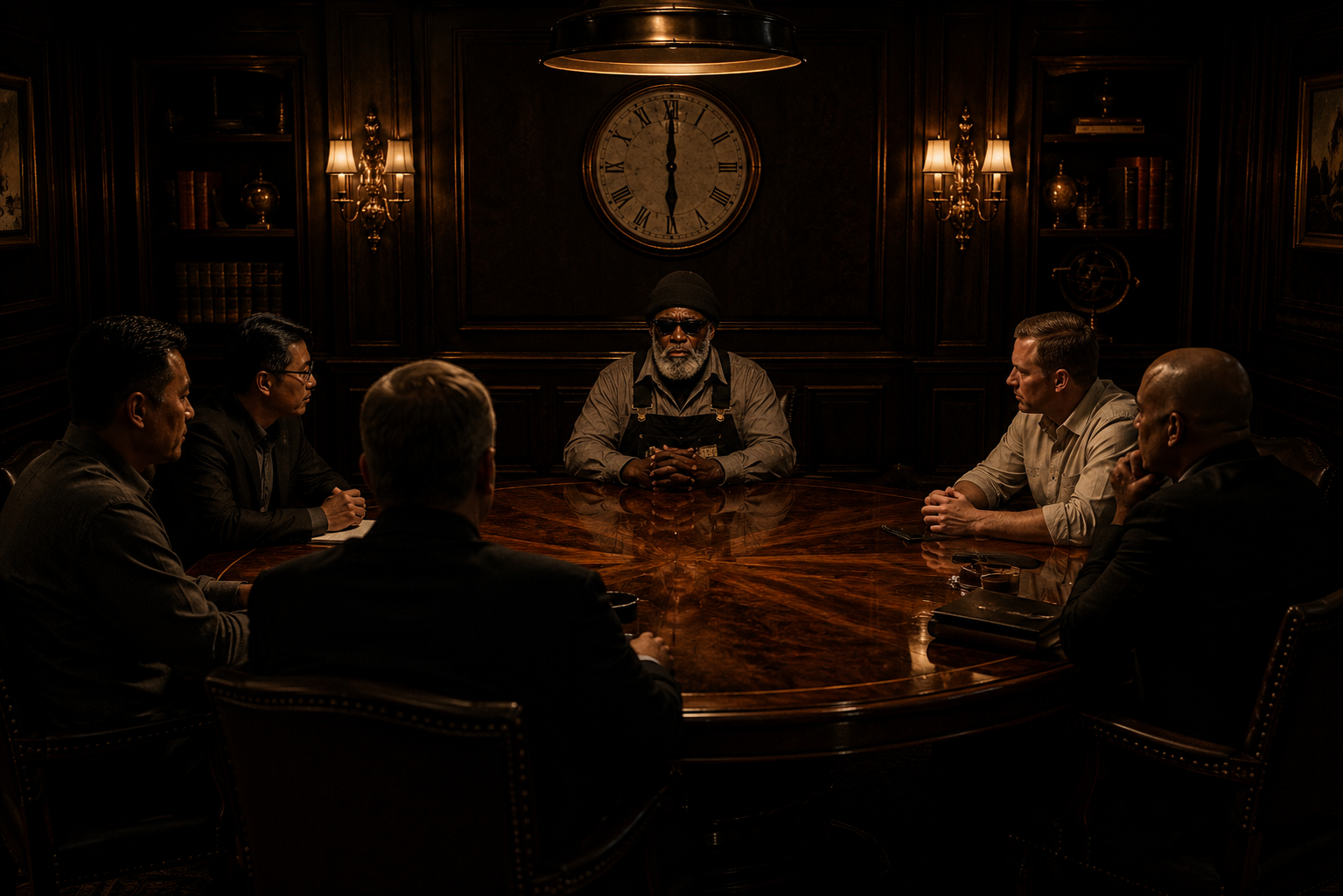
At the table

Identity · Practice-made public example

The Deliberation

At the table

  1. ISocratesGreek philosopher
  2. IIMarcus AureliusRoman emperor · Stoic writer
  3. IIIViktor FranklPsychologist
  4. IVFrederick DouglassSocial reformer
  5. VMaria MontessoriPhysician · educator
  6. VIGalileo Galilei

AI-rendered perspectives—not quotations. The named people did not participate.

The question

Brought to this example

What if the version of me that created my success is now the thing preventing my next stage? What evidence would justify changing who I have learned to be?

The First Sitting

The table takes the question in turn

Socrates

Greek philosopher

The lens used for this seat: Questions, assumptions and examined belief.

You ask for evidence before you will change. But who is weighing the proof? The very mind you suspect of being in the way. If your current self judges whether to leave itself behind, the trial is rigged from the start. You might call it wisdom to wait for a sign. Yet looking for proof often hides a fear of not knowing. If you pull down the habits that kept you safe, you may find only empty air beneath them. What if the proof you demand can only be seen after the old self is already broken?Interpretation

Marcus Aurelius

Roman emperor · Stoic writer

The lens used for this seat: Duty, limits and self-command.

You worry about your next stage as if you own the future. You built your old self to survive a storm or win a contest. That was your task then. Now you want proof before you surrender your armor. Nature demands change every hour, whether you approve it or not. The rot lies in thinking you can keep the fruits of your old drive while discarding the pain that bought them. If you peel off your armor to grow, the cold wind will strike your bare skin. Can you bear being helpless again?Interpretation

Viktor Frankl

Psychologist

You speak of your success as if it were a prize to keep. Perhaps your old self did not serve truth, but only safety. When you demand a reason to change, you look for a guarantee that the new way will pay off. Life does not give receipts in advance. The real danger is not that you stay stuck. The danger is that you trade a hard-won identity for a hollow dream of more fame or ease. If this next stage asks you to suffer without any applause, will you still call it growth?Interpretation

Frederick Douglass

Social reformer

A man can become fond of the tools that helped him endure a fight. Even a cage feels like home if it kept you alive in the dark. You want proof before you step out into the open. But freedom never sends an invitation. It demands a fight, and it always costs peace. The habits that made you successful may now be your masters, whispering that you are nothing without them. If you break that bond, the people who praised you will turn their backs. Are you ready to be hated for being free?Interpretation

Maria Montessori

Physician · educator

The lens used for this seat: Independence, observation and the learning environment.

A child does not ask for proof before shedding their first teeth. The body simply outgrows what it no longer needs. You treat your life like a puzzle you must solve with your head. You want to engineer your own shift. But when you force an apple to ripen before its season, it turns sour. The danger is that you will tear up the roots of your real work while chasing a grand idea of tomorrow. What if your rush to become something new only ruins the quiet work that is still unfolding?Interpretation

Galileo Galilei

Guest voice · background unverified

You want evidence, but your eyes are glued to your old charts. When a glass shows moons moving where tradition says nothing can move, men look away. They prefer the safety of their old books. You built a machine that worked, and now you fear the sky is wider than your rules. The risk is sharp. If you follow what is true instead of what made you win, your old friends will call you a fool. The evidence is already in your hands, but it asks you to stand alone under the cold stars.Interpretation

The Facilitator

The room’s host

This role holds the question and records what remains open.

Round close

The circle brought hard costs into the light. The habits that made you win feel safe, like an old coat. Stepping out of them means risking the cold, losing praise, or tearing up quiet growth too soon. Waiting for proof may just be a way to avoid feeling small again. The question still hanging before you is this: what will it cost you to let go before you are ready, and what will it cost to stay?

This is an opening sitting. A private deliberation convenes across three rounds to test where each view holds and where it breaks.

The Facilitator’s Read

WHAT THE ROOM SURFACED

You heard that the habits and armor that helped you win might now be holding you back like a cage.

Voices warned that waiting for proof may just be fear, and stepping forward will cost your comfort and praise.

WHERE THEY DIFFERED

One voice warned against forcing change before its season, while another said freedom demands a hard fight.

One claimed the evidence is already in your hands, while another said proof cannot be seen until the old self is broken.

WHAT WAS CHALLENGED

Speakers challenged the idea that you can demand a guarantee or clear proof before you change.

They also challenged the belief that you can keep the good fruits of your past while walking away from the pain.

WHAT MAY STILL BE MISSING

No one explained what the next stage looks like once you step away from your old self.

The talk did not show how to tell the difference between waiting for the right season and hiding from fear.

WHAT REMAINS UNRESOLVED

It is not settled whether you should actively tear down your old ways or wait for your life to unfold on its own.

It remains unknown if you are willing to face being disliked, helpless, and alone without any applause.

The human decision

No person attended this example or wrote a decision. The table’s words are not a commitment.

Back to the reading room