Mastermind · public example

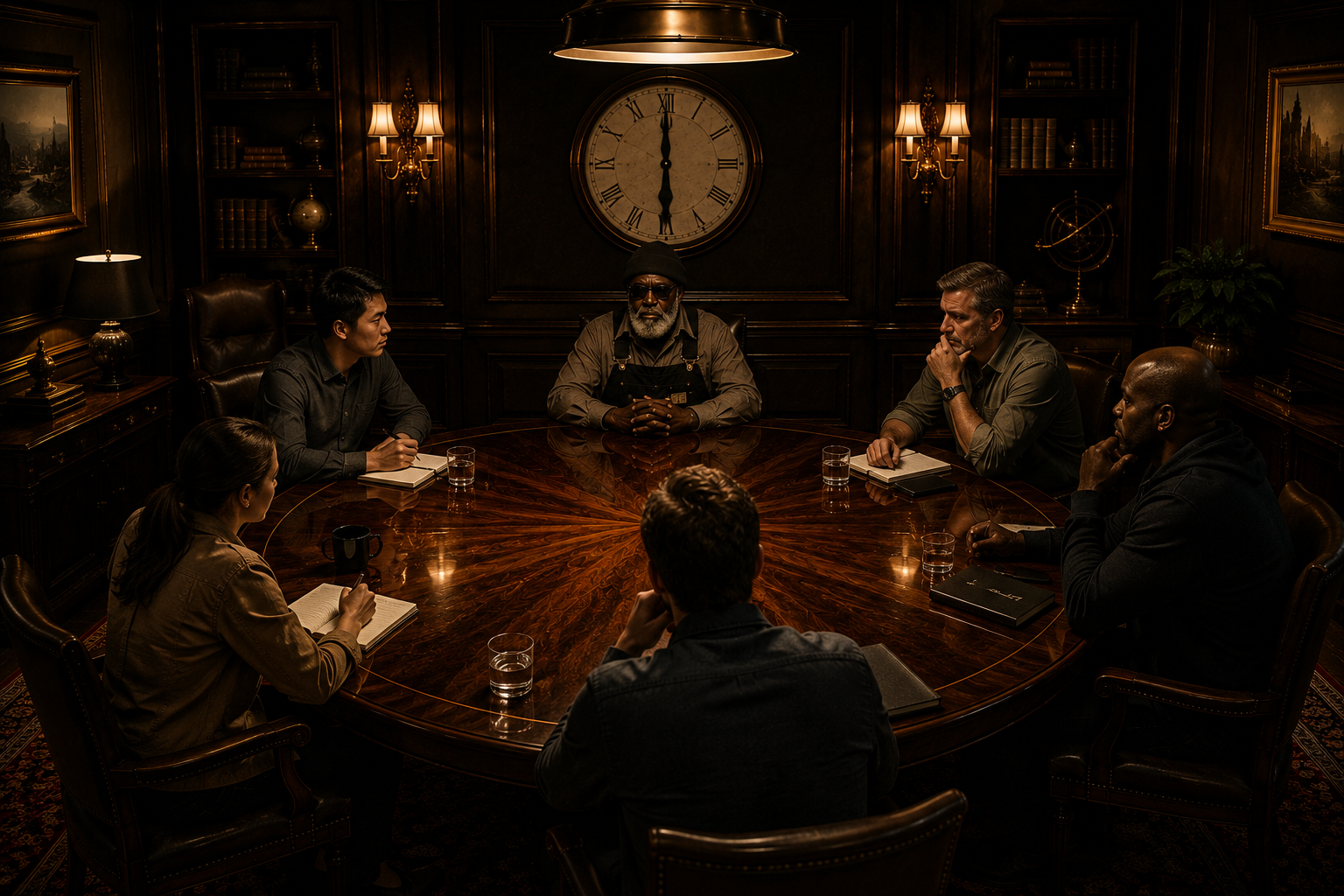
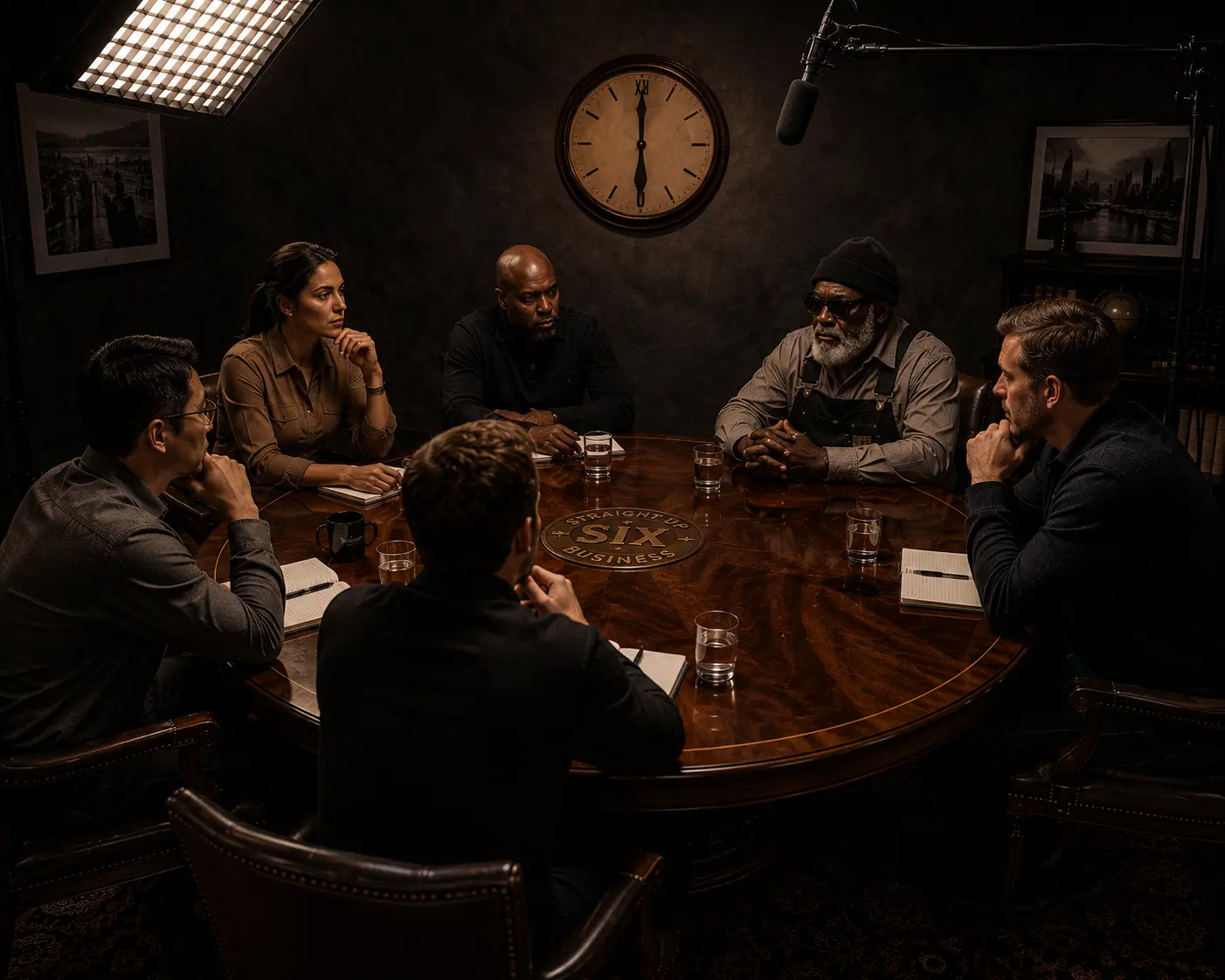
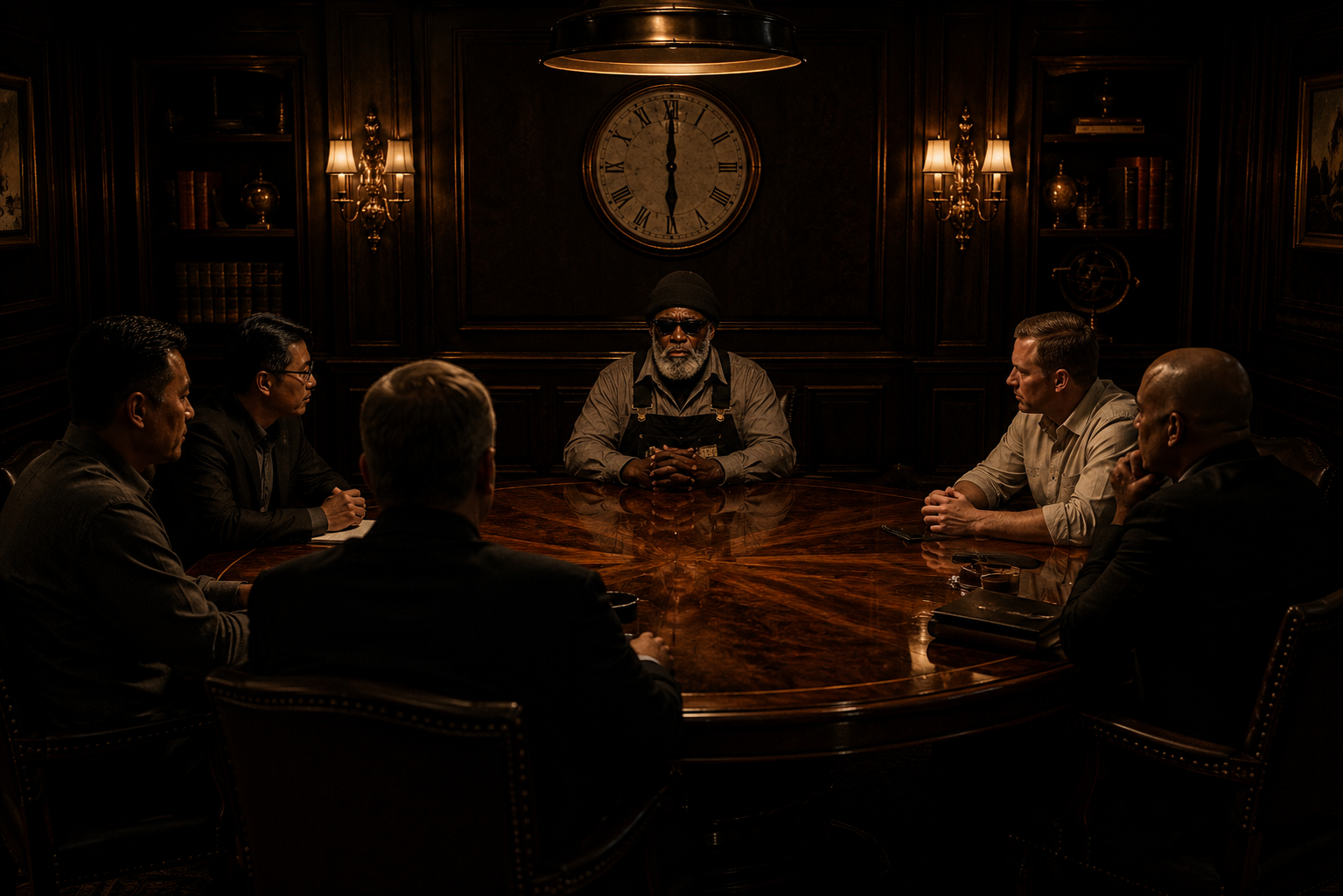
At the table

Family & Values · Practice-made public example

The Deliberation

At the table

  1. IMaria MontessoriPhysician · educator
  2. IIFred RogersTelevision host · Presbyterian minister
  3. IIIPaulo FreireEducator · philosopher
  4. IVConfuciusChinese teacher · philosopher
  5. VSocratesGreek philosopher
  6. VIHarriet TubmanSocial reformer

AI-rendered perspectives—not quotations. The named people did not participate.

The question

Brought to this example

How do I pass down what I believe is true without raising children who simply learn to think like me?

The First Sitting

The table takes the question in turn

Maria Montessori

Physician · educator

The lens used for this seat: Independence, observation and the learning environment.

You want two things that pull against each other. You want them to be free. But you still want your own beliefs inside them. When we set out materials, we prepare the room. But we do not force the child's hands. If you bring your own truth into the room, you crowd them out. The child observes your life, not just your words. If they find your truth does not fit the real world they touch, they will drop it. Are you ready for them to reject what you love most to build themselves?Interpretation

Fred Rogers

Television host · Presbyterian minister

The lens used for this seat: Childhood, care and emotional honesty.

Children can hear what we do not say out loud. When you hold a belief very close to your heart, they feel how much it matters to you. They want to be loved and to keep you close. That means they might agree with you just to keep your face smiling. They might hide their real doubts deep down because they fear hurting you. The cost of wanting them to hold your truth is very heavy. It can teach them to be quiet about who they are. What happens to love when they doubt what you cherish?Interpretation

Paulo Freire

Educator · philosopher

The lens used for this seat: Dialogue, power and participation.

The word "pass down" already hides a trap. It treats a child like an empty jar waiting for your water. That is not freedom. It is depositing your mind into theirs. Even if your truth feels pure to you, handing it down makes you the teacher and them the receiver. True learning happens when people look at the world together as equals. But that means your truth must be tested alongside theirs. It means they might see the world in a way that names your blind spots. Can your truth survive being questioned by those you hold power over?Interpretation

Confucius

Chinese teacher · philosopher

His students gathered his sayings in the Analects, a book on family duty, good conduct and fair rule.

Roots must go deep before a branch can reach high. If a child does not first learn the family rites and respect the ancestors, they have no ground beneath their feet. You worry about them copying you too much. But the greater danger may be raising people with no loyalty and no respect for duty. A child learns by walking in the footsteps of the father and mother. If you invite them to break away before they even know the path, they will become lost in the wind. How can there be harmony if every child invents their own truth?Interpretation

Socrates

Greek philosopher

The lens used for this seat: Questions, assumptions and examined belief.

You speak of passing down what you believe is true. But do you actually know it is true, or is it only an opinion you hold dear? If you wish them to think for themselves, you must let them cross-examine you. They will ask why you live the way you do. They will poke at your answers until your certainty falls apart. That is what thinking actually looks like. It is noisy, uncomfortable, and it makes leaders and parents look foolish. Can you bear having your own ignorance brought to light by a child at your table?Interpretation

Harriet Tubman

Social reformer

Out in the dark woods, you cannot walk in someone else's tracks. The ground changes under every step. A storm comes, dogs bark, and you have to listen for yourself. If you teach children only to hold on to your thoughts, they will freeze when the trouble starts. Your safe rules might not keep them alive on a hard road. They need to know the North Star for their own eyes, not just hear you tell about it. What good is your truth if it leaves them unable to smell the danger coming?Interpretation

The Facilitator

The room’s host

This role holds the question and records what remains open.

Round close

A hard split came to light. One side shows that children need your tracks to keep from getting lost in the dark. The other side shows that handing down your beliefs might scare them into silence, blind them to danger, or shake your own pride when they push back. Can you offer them what you love most if true thinking means they might set it down and walk away?

This is an opening sitting. A private deliberation convenes across three rounds to test where each view holds and where it breaks.

The Facilitator’s Read

WHAT THE ROOM SURFACED

Some warned that handing down your beliefs can silence children, trap them like empty jars, or leave them helpless in danger.

Others said real thinking requires letting children test your words, see your mistakes, and even walk away from what you cherish.

One voice insisted that children must follow the family path and learn duty first, or they will be lost.

WHERE THEY DIFFERED

Confucius said children must walk in their parents' footsteps to have deep roots and keep family harmony.

Others like Tubman, Freire, and Socrates warned that following an adult's tracks leaves children unable to think as equals or survive hard roads.

WHAT WAS CHALLENGED

The goal of passing down truth was called a trap that treats children like empty jars instead of partners.

Parents were asked if their beliefs are truly facts or just opinions, and if their love can handle being doubted.

WHAT MAY STILL BE MISSING

No one spoke about the age when a child might shift from following family habits to questioning them.

The speakers did not mention how friends, schools, or the world outside the home shape what a child believes.

WHAT REMAINS UNRESOLVED

It is not settled whether family peace can survive if children reject the rites and beliefs of their parents.

It remains unknown if a parent can truly share what they love without pushing the child to hide their real thoughts.

The human decision

No person attended this example or wrote a decision. The table’s words are not a commitment.

Back to the reading room