The First Sitting
The table takes the question in turn
Smart people ruin their lives reaching for one more big score. They risk what they have and need for what they do not need. If you wipe out, your family pays the bill. You want the glory of a giant win. But you do not want the shame of going bust. People think they can handle bad luck until it hits them. The cost of ruin is not just dollars. It is your peace, your good name, and your freedom. What if the game does not need to be played at all?Interpretation
Benjamin Franklin
Statesman · inventor · writer
The lens used for this seat: Practical judgment, habits and public responsibility.
A man often mistakes his own ambition for a duty. You call this your biggest bet, but a big bet is just a proud name for a gamble. When a venture fails, creditors do not weep for your dreams. They take your roof and your good name. A small fire keeps a house warm, but a great blaze burns it to the ground. If you gamble the bread of your dependents, you trade their quiet sleep for your vanity. How much peace are you willing to sell just to look bold?Interpretation
Andrew Carnegie
Business leader
Big bets build empires, but the market does not care about your family. In industry, half measures get crushed. If you cannot take the blow with both hands, the competition will take your shirt. You say you cannot comfortably do both. That means you are already scared of the pain. A man who looks over his shoulder at his home while driving a trade usually loses both. The price of great enterprise is total nerve. Can you really stomach the cold fact that business gives no mercy to your private hearth?Interpretation
You treat capital as a shield, but gold cannot keep away fate. Men lose their fortunes in a single day, and kings become beggars by nightfall. If you protect your family with wealth, you teach them to fear poverty. If you chase this great prize, you chain your soul to Fortune's wheel. You will lie awake worrying about ruin before it even arrives. The price of chasing more is always your present calm. Why do you assume that either choice will save you from what life might take away?Interpretation
People always overestimate their chance of good luck. The desire to better our condition often turns into a reckless push for applause. You look at this grand bet and imagine the praise of the world. Yet you overlook the silent misery if the venture collapses. The impartial spectator inside your chest already sees the cost of your vanity. Your family relies on your prudence, not your thirst for distinction. If the enterprise fails, will the applause you hoped for put clothes on their backs or quiet your conscience?Interpretation
Marcus Aurelius
Roman emperor · Stoic writer
The lens used for this seat: Duty, limits and self-command.
Fame fades in an hour, and the men who praise you will soon be dust. Why do you crave a grand victory in trade? To be spoken well of by strangers? Your first post is to tend to what nature placed in your care. Yet even your family does not belong to you forever. If you think wealth makes anyone safe, you misunderstand the universe. Trouble comes to the rich and the poor alike. Which pain can you bear with an upright soul, the loss of money or the loss of honor?Interpretation
The talk pulled at your real motive. Voices warned that a big bet might just be pride dressed up as courage. They also warned that no pile of gold makes any family truly safe from life. The hard choice is not just about dollars. Which regret would cut deeper: the shame of risking your home for applause, or the slow ache of wondering what you could have built?
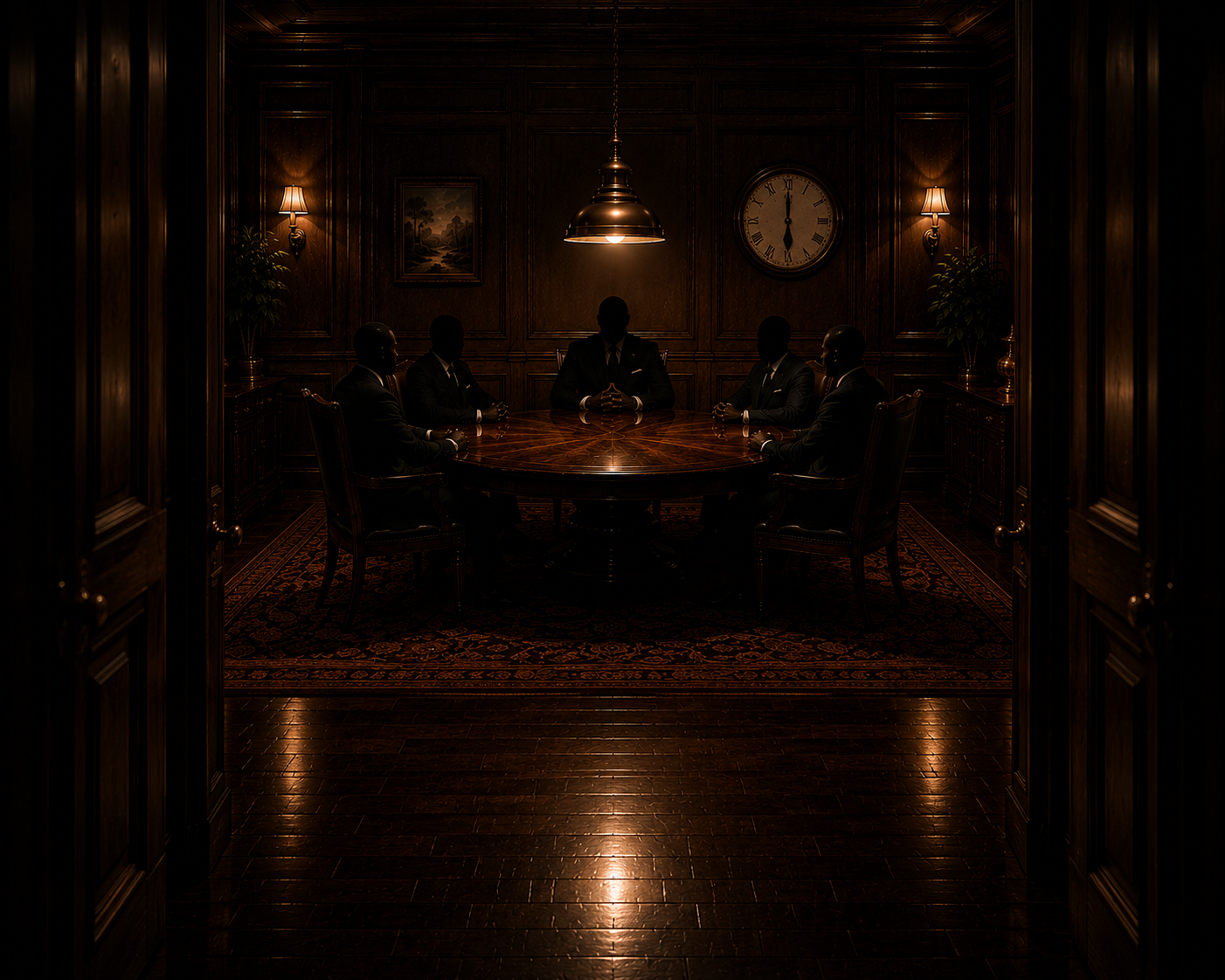
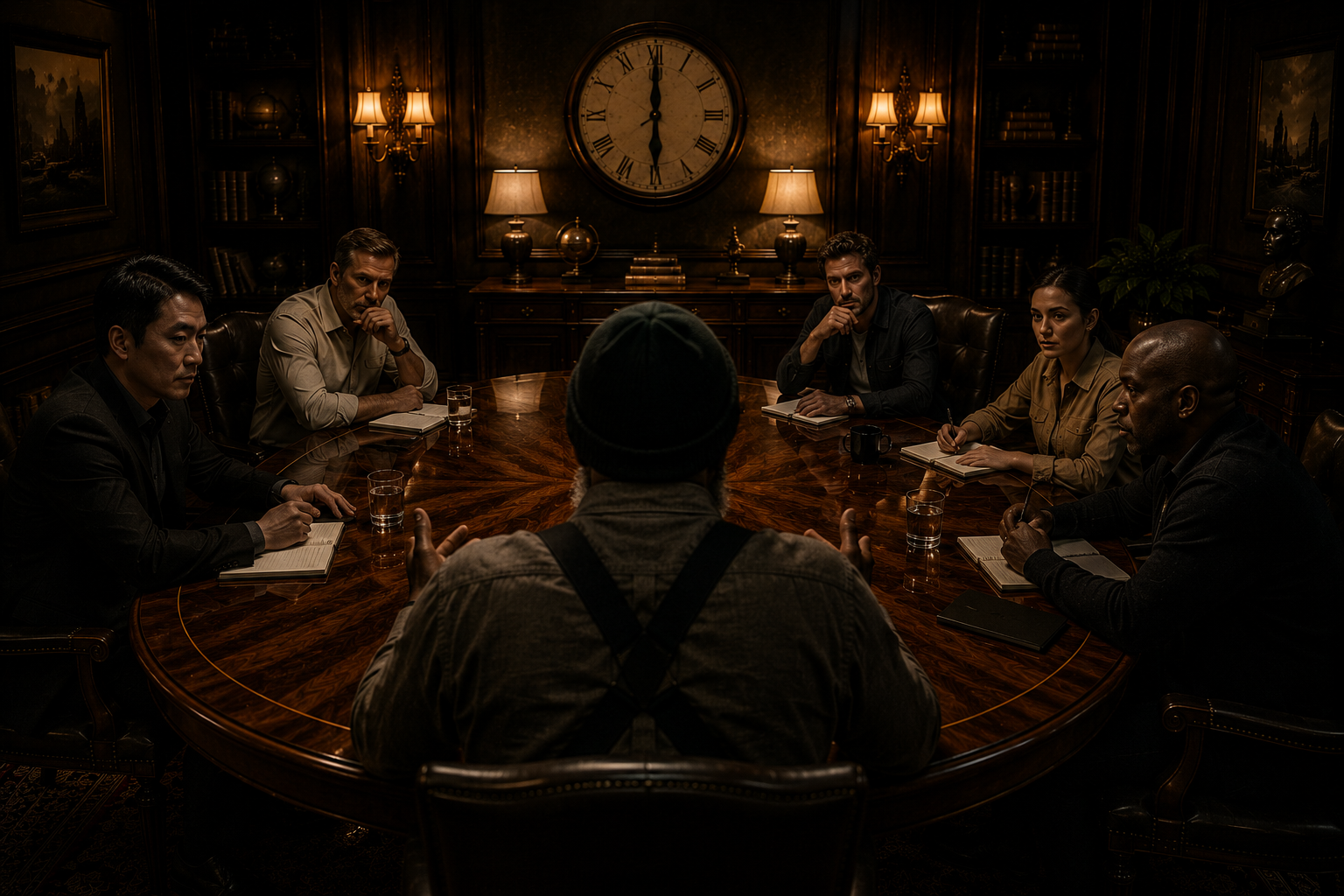
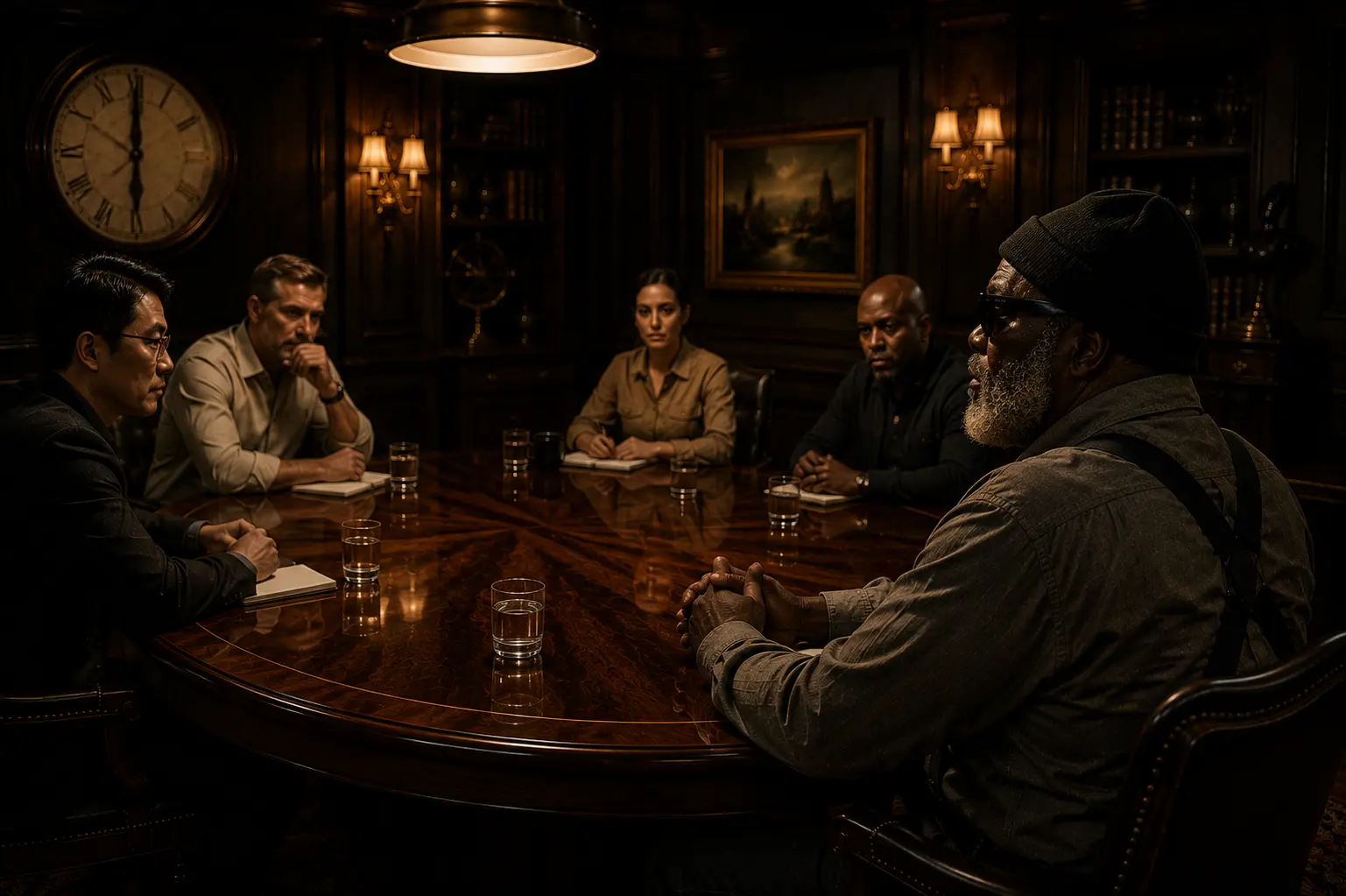
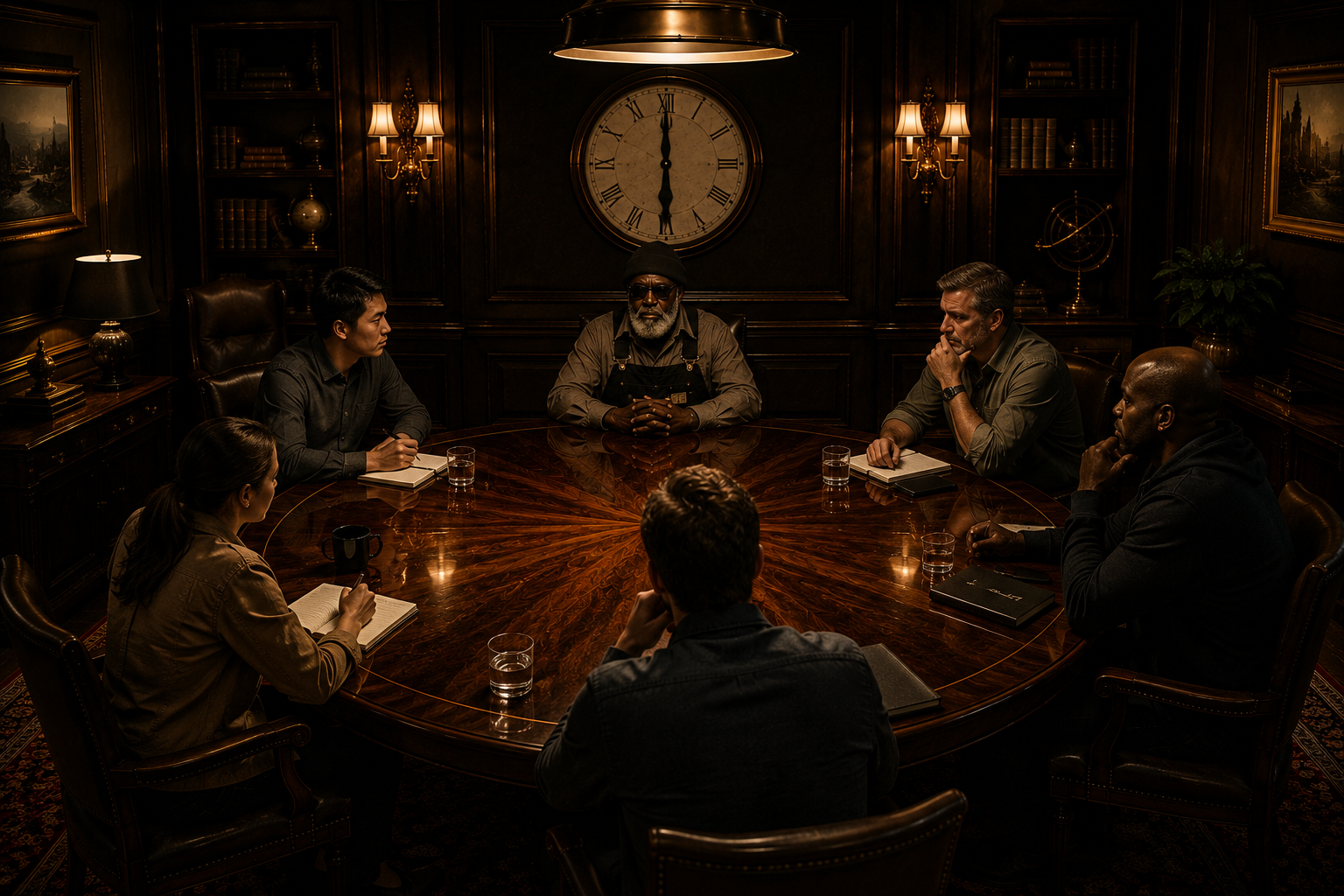
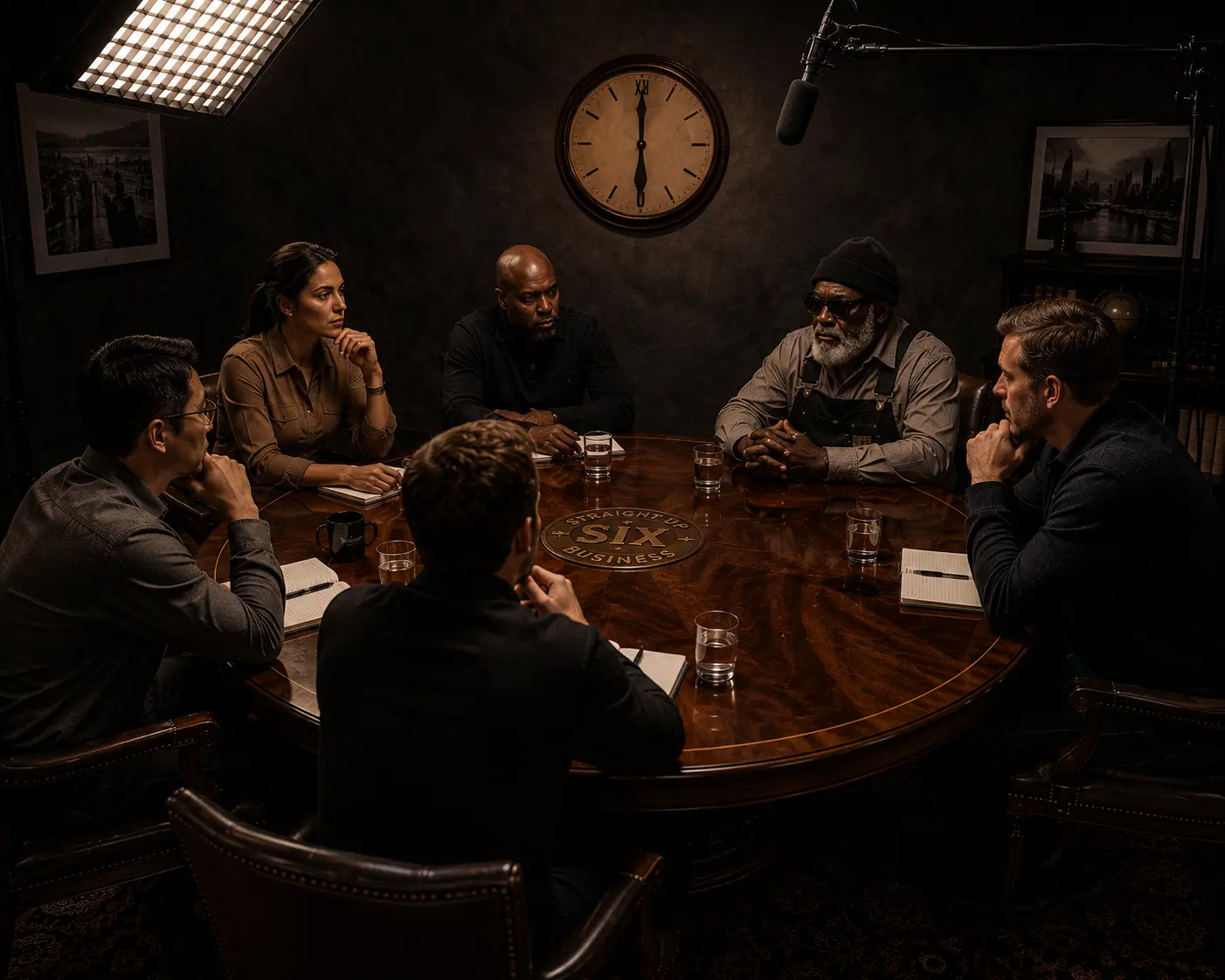
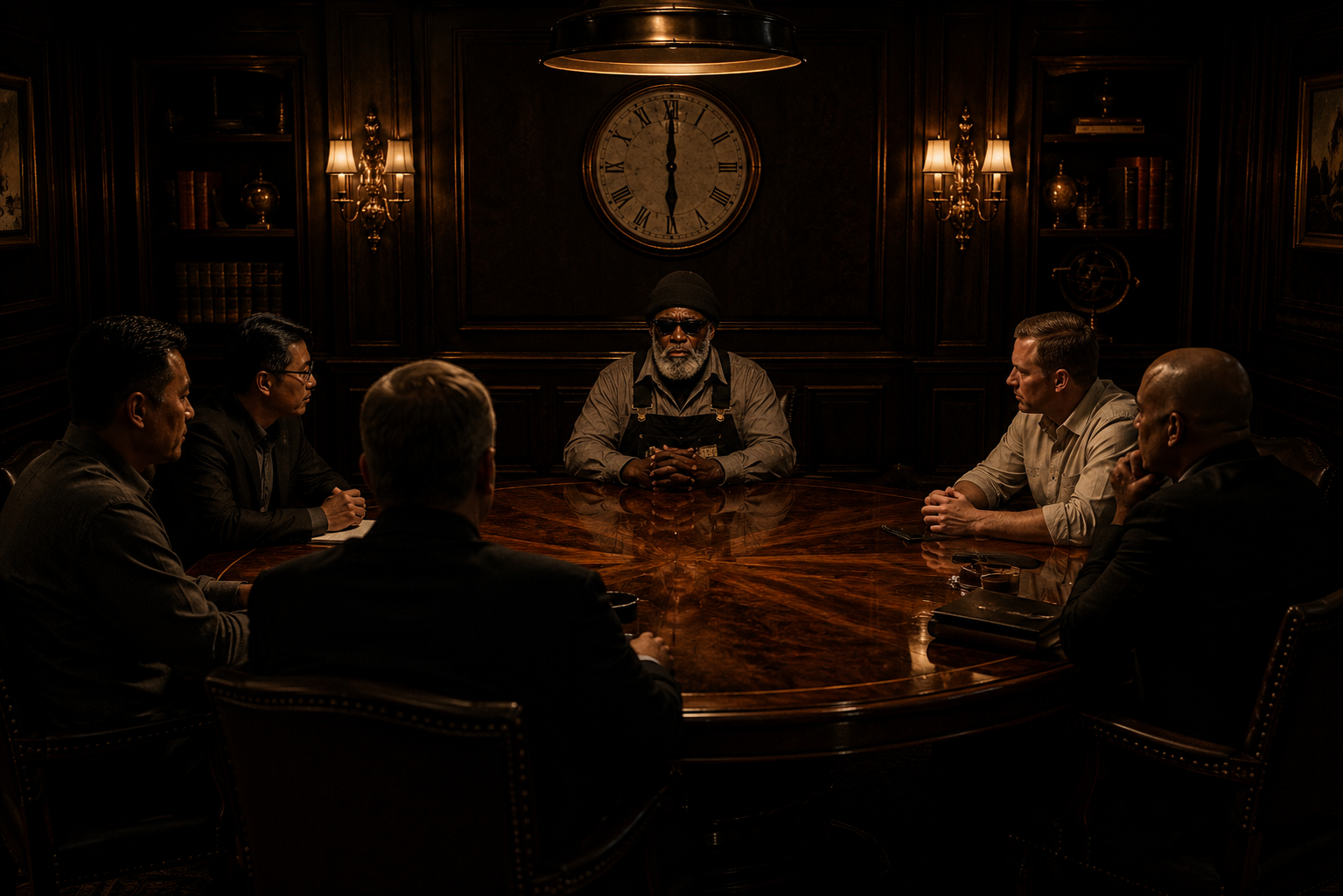
This is an opening sitting. A private deliberation convenes across three rounds to test where each view holds and where it breaks.
The Facilitator’s Read
WHAT THE ROOM SURFACED
Several speakers warned that chasing a giant win risks your peace, your good name, and your family's bread.
One voice stated that building an empire takes total nerve because the market shows no mercy to home life.
Others noted that neither fame nor piles of gold can truly protect anyone from bad luck.
WHERE THEY DIFFERED
Carnegie stressed that winning in business requires full daring without looking back at your home.
Charlie, Franklin, and Smith viewed the bet as foolish vanity that trades family security for empty praise.
Seneca and Marcus Aurelius argued that even saving your wealth cannot truly keep your family safe from fate.
WHAT WAS CHALLENGED
Speakers questioned whether you are chasing real duty or just pride and applause from strangers.
Carnegie challenged your courage, warning that dividing your focus between home and trade brings ruin.
Seneca and Marcus Aurelius challenged the idea that money can actually shield a home from life's troubles.
WHAT MAY STILL BE MISSING
The speakers did not look into the specific details of the business deal.
No one checked how much money your family actually needs to survive if things go wrong.
WHAT REMAINS UNRESOLVED
It is still not settled whether you have the nerve to risk ruin for a great empire.
You are left to choose whether you can better bear the loss of money or the loss of honor.