The First Sitting
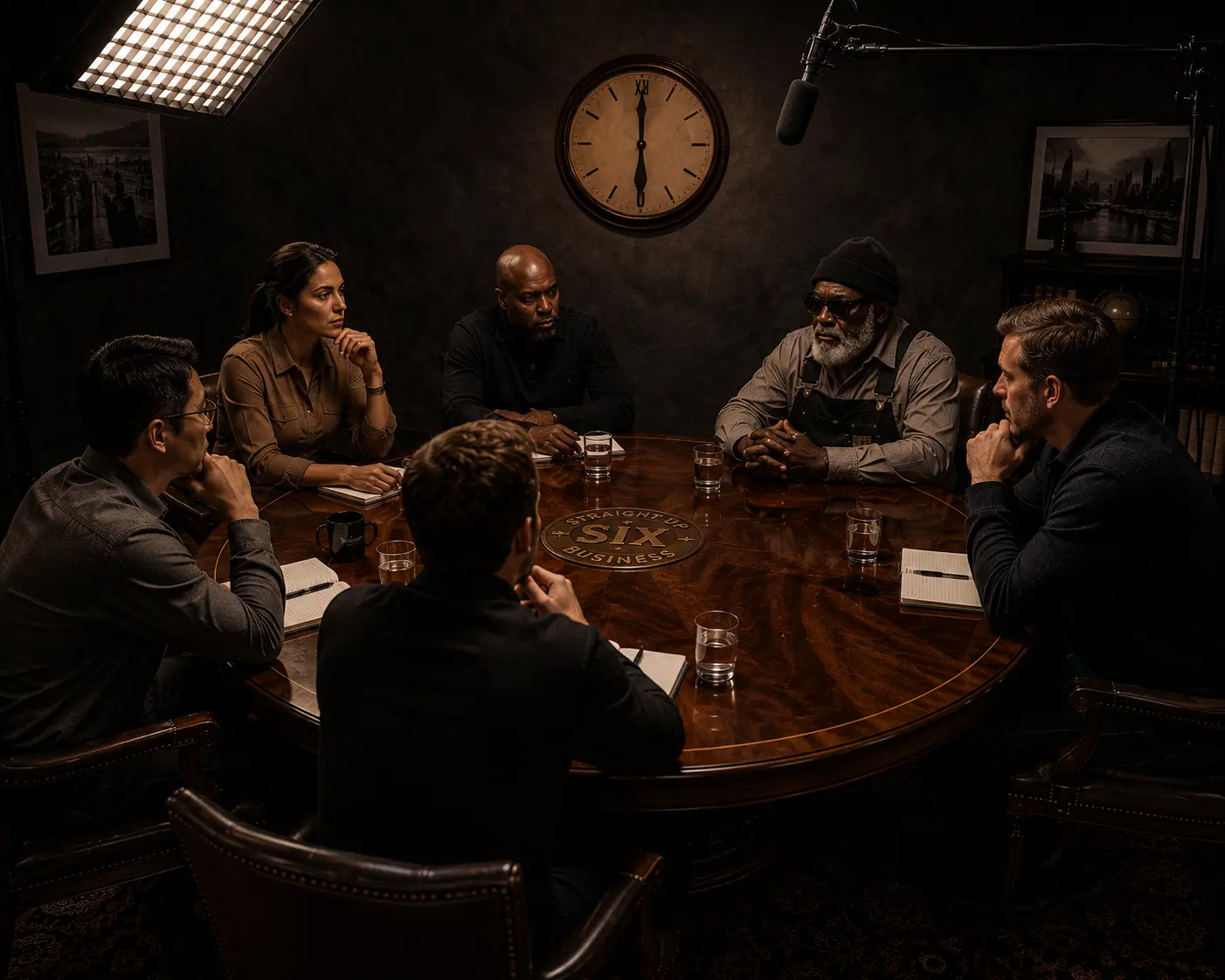
The table takes the question in turn
A rule-following engine does not see the whole world. It plays a game made of symbols and steps. When you say it is more accurate, you mean it won a game someone defined for it. But real life does not come with fixed edges. If you step in only when you feel fear, what was the test for? Either you trust the code of the machine or you trust your own secret hunch. You cannot have both clean logic and a private veto, can you?Interpretation
Think about steering a boat. You watch the water. You feel the wind push back against the rudder. If an automatic pilot steers for you, your hands go slack. Your eyes stop looking at the waves. You think you can step in at the dangerous moment. But when danger comes, your muscles are cold. You have lost the feel of the current. Once you give up the steering, can you ever really take it back in time to save yourself?Interpretation
You worry about living with the result. But the real danger is losing the act of choice itself. When you hand judgment to a tool, you stop thinking. You become an officer who merely carries out orders from paper. Then, when harm happens, you say the formula made you do it. That is how people hide from their own deeds. If you let an object make the cut, are you still the person living the life, or just the body taking the blame?Interpretation
A person grows like a tree. A tree needs wind and rough weather to grow strong roots. If a system always picks the best path for you, your mind grows soft. You become like a child led by the hand. Even if the choice is wrong, making your own choice builds your mind. It teaches you how to stand. What is the good of a safe life if you never become a full person who knows how to choose?Interpretation
You speak of accuracy as if it were a simple thing. But what is it accurate about? Does it know what makes a life good, or only what makes a path fast? If a guide leads you swiftly to a place you should never visit, is the guide wise? You ask when to turn away from it. But to judge the guide, must you not first know what is good and true yourself? And do you really know that?Interpretation
People love a sharp number. A clean chart looks like truth. But nature does not care about smooth graphs. If you do not know how the box got its answer, you do not have knowledge. You just have a guess dressed up in math. And if you override it with your own gut, you are just guessing twice. How can you decide which guess is better when you cannot test either one until it is too late?Interpretation
The seats brought out deep costs. Leaning on a tool can make your hands slack and your mind soft. You might escape the blame for a bad turn, but you lose the practice of choosing your own life. Stepping in with a hunch may just be guessing twice. The open question remains: If you cannot test the system, and you cannot fully trust yourself, what tells you it is time to take the wheel?
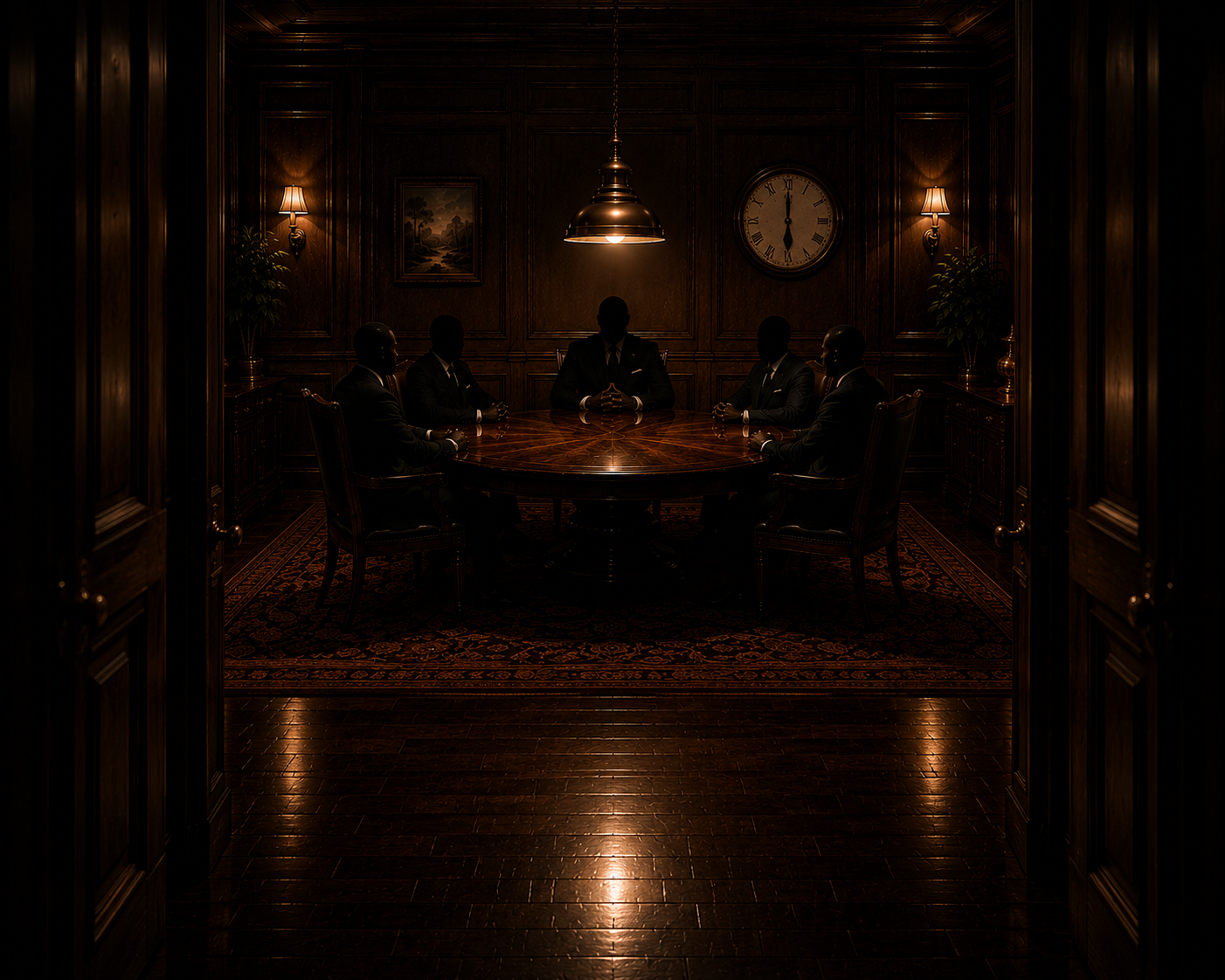
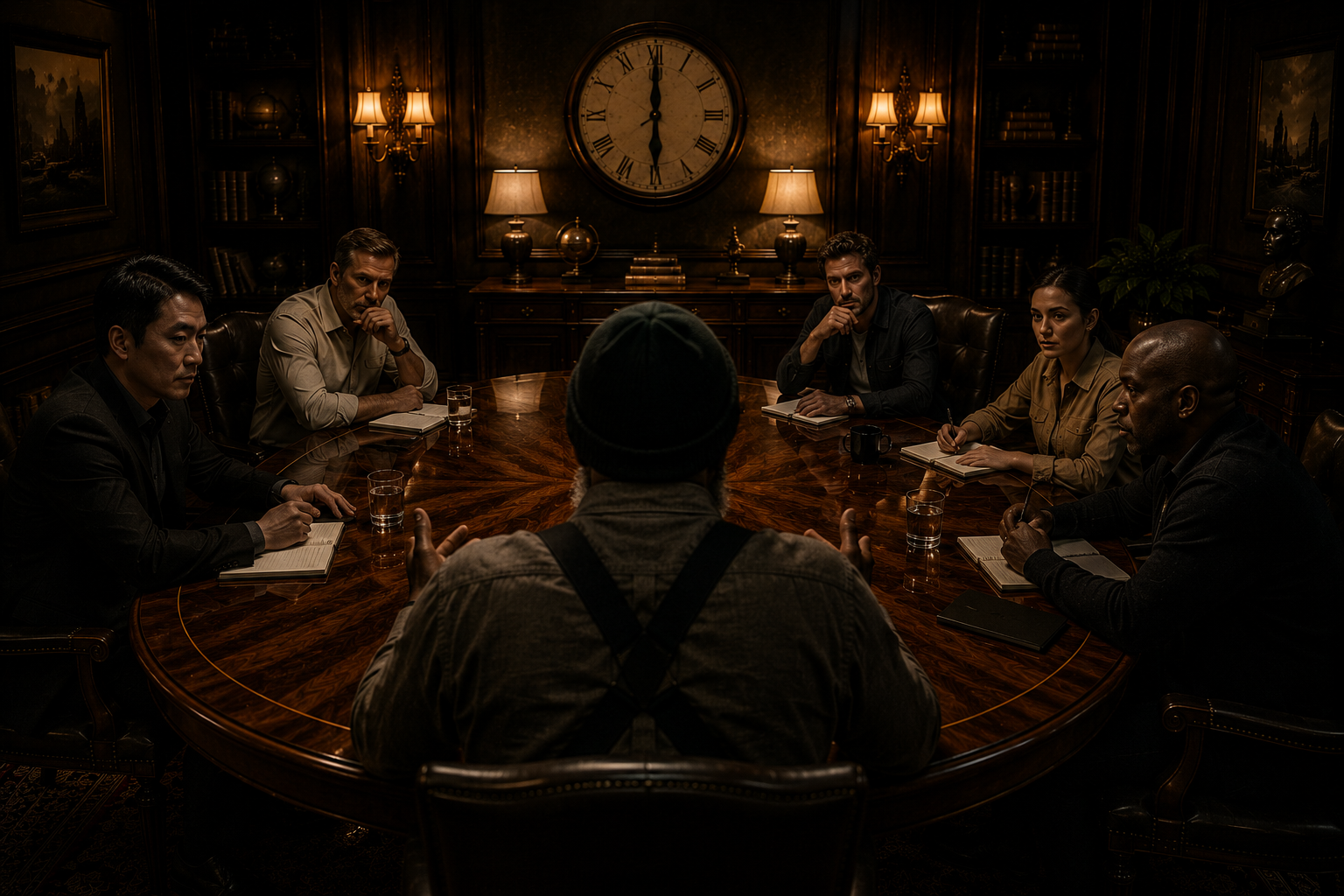
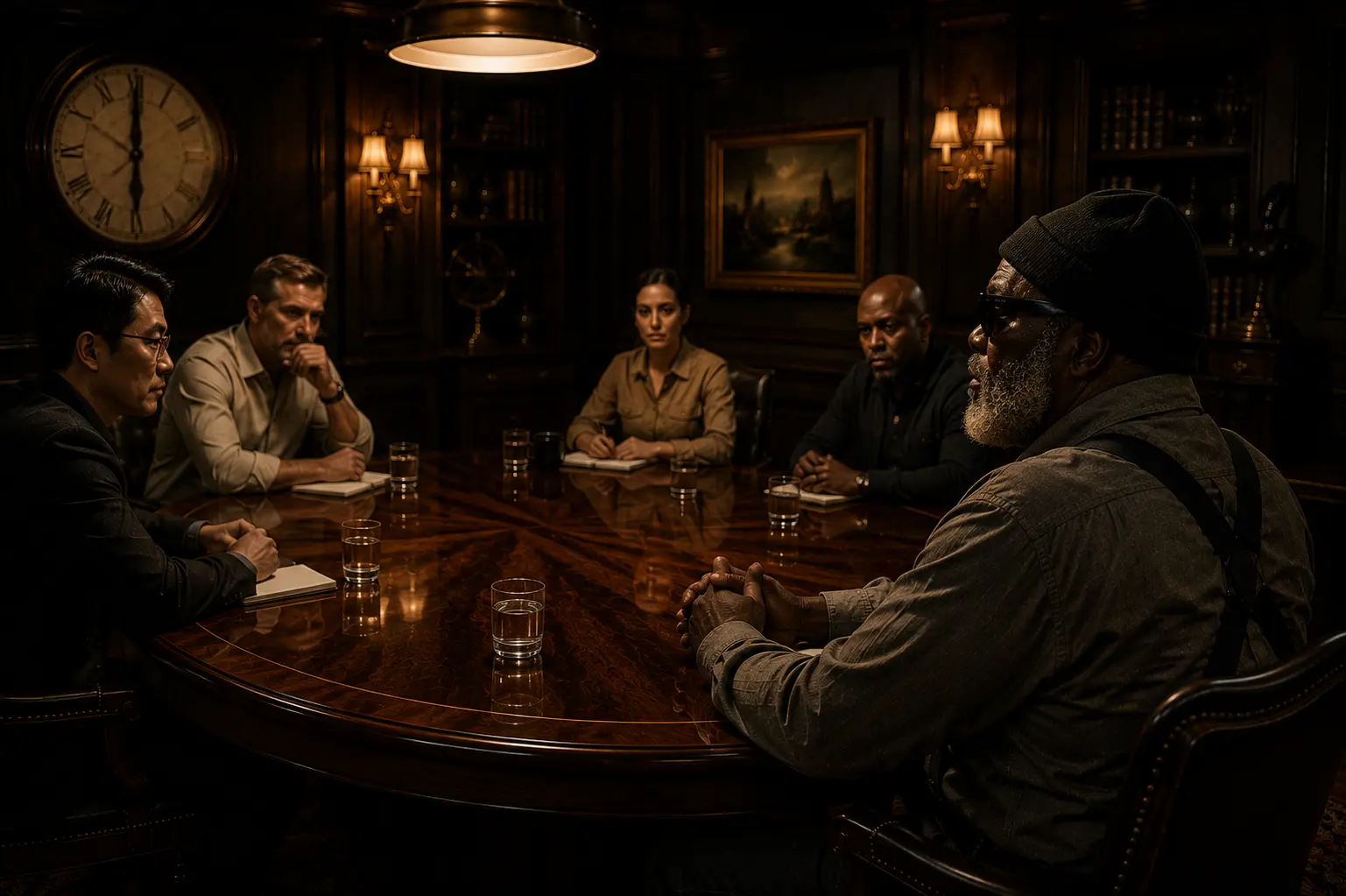
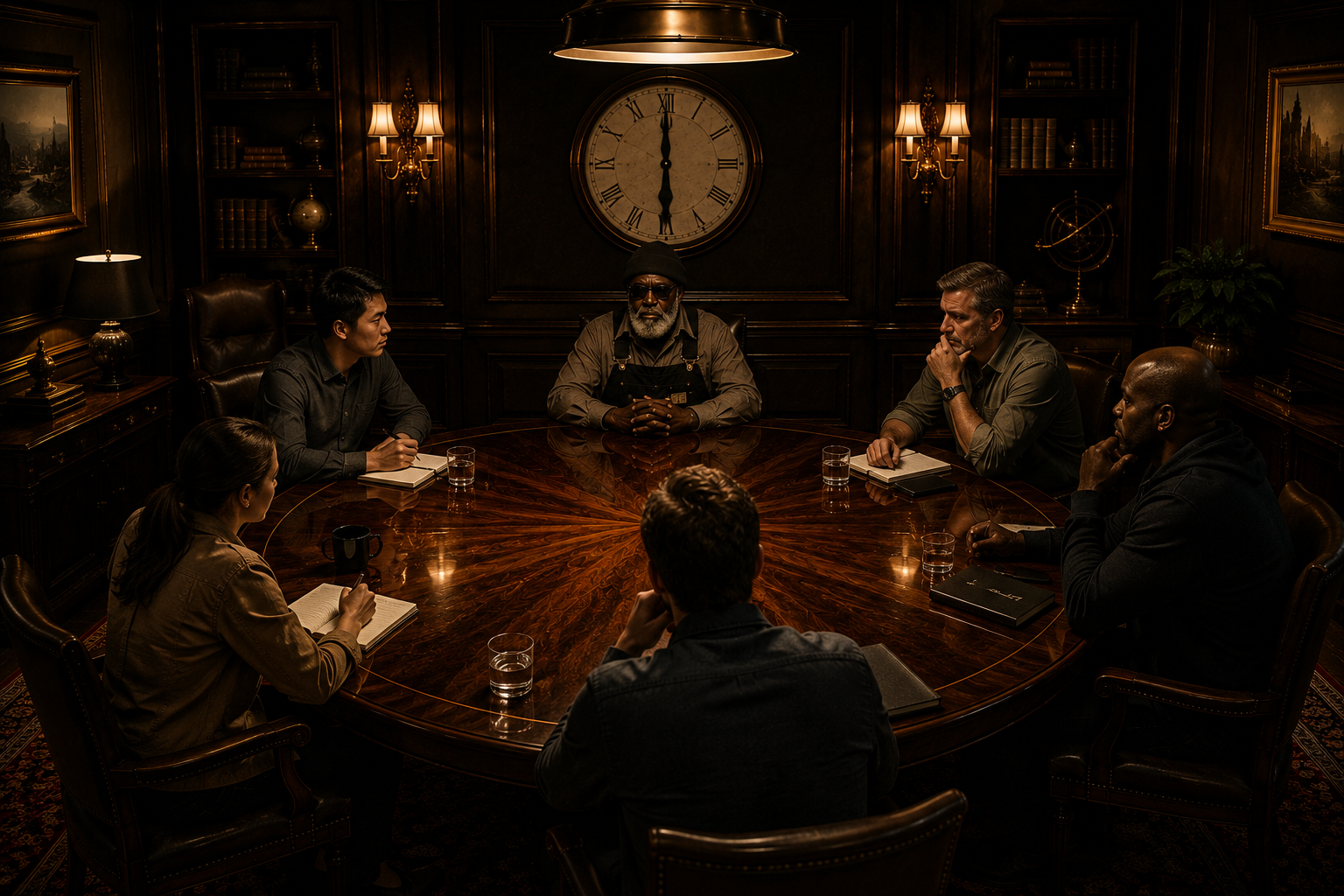
This is an opening sitting. A private deliberation convenes across three rounds to test where each view holds and where it breaks.
The Facilitator’s Read
WHAT THE ROOM SURFACED
Speakers warned that letting a tool steer can make your mind weak, dull your senses, and leave you unable to act.
Others warned that a machine's numbers are just guesses in a narrow game, and human feelings may be no better.
WHERE THEY DIFFERED
Some focused on the harm done to a person's character, skills, and sense of duty when they give up control.
Others focused on whether the math can be trusted or if it even aims at what makes life good.
WHAT WAS CHALLENGED
The idea that a person can safely take over at the last moment was challenged.
The idea that clean accuracy leads to a good result was challenged.
WHAT MAY STILL BE MISSING
The talk did not weigh the real pain of a bad result against the cost of losing your ability to choose.
It did not measure the total well-being gained when an accurate machine prevents a real-world mistake.
WHAT REMAINS UNRESOLVED
It is not settled whether to trust a formula you cannot see inside or a personal hunch you cannot prove.
It is still unknown when the value of a better outcome outweighs the need to practice making your own choices.